

Key Takeaways
- In-store retail media turns physical stores into media channels, reaching shoppers close to the purchase moment.
- Static in-store advertisements are evolving into interactive experiences powered by AI, AR, smart screens, and real-time analytics.
- AI makes in-store media smarter through personalization, product recommendations, and campaign measurement.
- AR makes in-store advertising more engaging with virtual try-on, smart mirrors, storefront activations, and shareable photo moments.
- Key in store advertising benefits include higher engagement, better product discovery, stronger purchase influence, and more measurable offline campaigns.
- For retailers, in-store retail media creates new revenue opportunities by turning store touchpoints into media inventory.
What Is In-Store Retail Media?
In-store retail media uses physical retail spaces as advertising and engagement channels. It turns store touchpoints into media inventory that brands and retailers can use to promote products, influence shoppers, and support purchase decisions.
This can include digital screens, smart mirrors, interactive displays, shelf screens, checkout screens, branded product zones, QR codes, AR try-on experiences, smart storefronts, in-store audio, and retail app notifications used inside the store.
Simply put, in-store retail media turns the physical store into a media channel. Instead of relying only on online ads, brands can reach customers at the exact moment they are browsing, comparing, testing, and deciding what to buy.
It is closely connected to in-store marketing, but the focus is more specific. In-store marketing covers the broader strategy of influencing shoppers inside a retail location, while in-store retail media focuses on the media touchpoints and advertising opportunities within that environment.
As retail becomes more digital and measurable, in-store retail media is evolving from static ad placements into interactive experiences powered by AI, AR, smart displays, and real-time engagement analytics.
From Static In-Store Advertisements to Interactive Retail Media
Traditional in-store advertisements were built around one-way communication. A brand placed a message inside the store, and the shopper either noticed it or ignored it. This typically showed up as printed posters, shelf signs, aisle banners, product displays, window decals, standard digital signage, or checkout promotions. These formats can still support awareness, but they have one major limitation: they do not create interaction.
Modern shoppers are used to personalized, digital, mobile-first experiences. They expect to explore, swipe, try, compare, scan, and participate. This behavior is now entering physical retail.
That is why in-store advertising is evolving from static messages into interactive retail media. A screen no longer has to simply show a product video. It can let shoppers try on a product, receive recommendations, create content, compare options, scan a QR code, or unlock a personalized experience.
The biggest shift is this:
Static ads display information. Interactive retail media creates engagement.
Why In-Store Digital Advertising Is Growing
In-store digital advertising is growing because it offers brands more flexibility, relevance, and measurability than traditional static formats.
Printed campaigns are difficult to change once installed. Digital campaigns can be updated by location, time of day, product availability, season, audience, or performance.
For brands, this means more control. For retailers, it creates more monetization opportunities. For shoppers, it can enable more relevant, helpful product discovery.
This growth is also tied to a broader retail shift: physical stores need to work harder. They are no longer just points of sale—they are brand experience spaces, content creation spaces, data collection points, and retail media networks.
Digital in-store media allows brands to:
- launch campaigns faster
- update content remotely
- localize messages by store or region
- test different creatives
- promote seasonal offers
- connect offline engagement with online actions
- measure shopper behavior more clearly
- create interactive product experiences
This makes in-store digital advertising much closer to performance marketing than traditional offline advertising.
The Role of AI in the Future of In-Store Retail Media
AI is changing what in-store retail media can do.
Instead of showing the same message to every shopper, AI can help brands create smarter and more adaptive experiences. It can support personalization, product recommendations, real-time content generation, shopper analytics, and campaign optimization.
In the context of physical retail, AI makes in-store media more responsive.
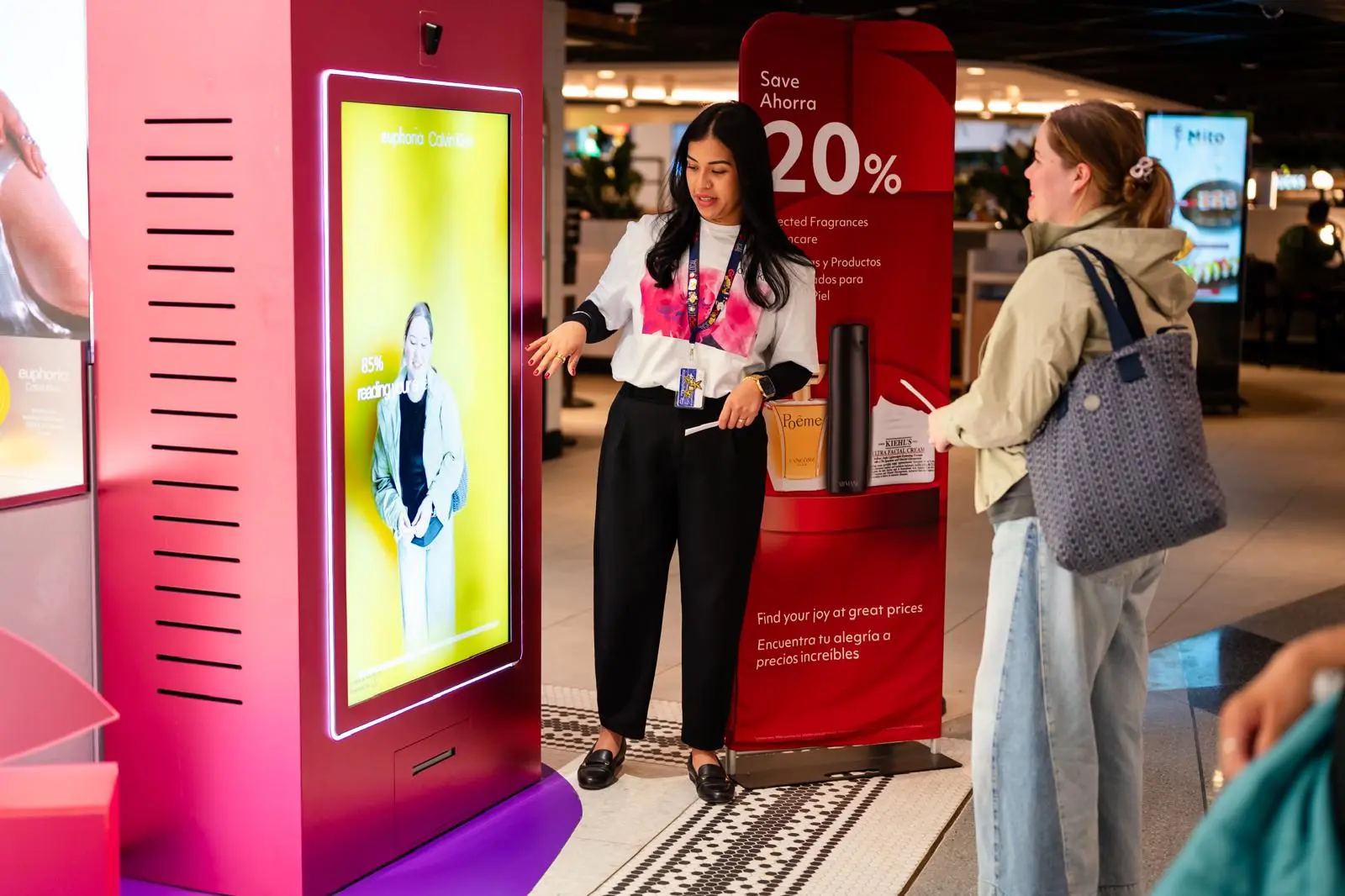
A smart screen or AI mirror can react to what a shopper selects, what product they are interested in, or what type of experience they choose. This makes the interaction feel more personal and less like a generic advertisement.
AI-Powered Personalization
AI can help personalize in-store content based on context and interaction.
For example, a beauty shopper might receive different product suggestions based on the look they try on. A fashion shopper might see outfit combinations based on selected items. A fragrance campaign might generate a personalized scent profile or visual identity based on a short interaction.
This makes in-store advertising feel more like a service than a sales message.
AI Product Recommendations
AI can also help shoppers discover relevant products faster.
Instead of browsing a large product catalog alone, a customer can interact with a smart mirror or screen that recommends items based on their preferences, selected category, style, shade, occasion, or behavior during the session.
This is especially useful in beauty, fashion, eyewear, accessories, and other categories where product choice can feel overwhelming.
AI Analytics for In-Store Advertising
One of the biggest advantages of AI in in-store retail media is measurement.
Traditional in-store advertisements are hard to evaluate. Brands may know where the ad was placed, but they often do not know how many people noticed it, interacted with it, or took action afterward.
AI-powered analytics can help brands track more meaningful campaign signals, including total interactions, dwell time, content engagement, product views, try-on sessions, QR scans, repeat interactions, campaign completion rate, product interest, and assisted conversion signals.
This allows brands to understand not only whether an in-store campaign was visible, but whether it actually engaged shoppers, helped customers explore products, and contributed to the path to purchase.
The Role of AR in Interactive In-Store Advertising
AR is one of the most powerful technologies for the future of interactive in-store advertising because it makes the shopper part of the campaign.
Instead of only watching content, shoppers can try products, see digital effects, explore new looks, take branded photos, and interact with products in real time.
This is especially valuable because AR connects product discovery with emotion. It helps shoppers imagine the product on themselves, in their lifestyle, or in a more memorable brand context.
AR Virtual Try-On
AR virtual try-on is one of the clearest use cases for in-store retail media.
It allows shoppers to try makeup, eyewear, clothing, accessories, or beauty looks without physically applying or testing every product. For retailers, this can reduce friction and make product discovery faster. For brands, it creates a more engaging way to demonstrate products.
In beauty retail, AR can help shoppers test shades, looks, and product combinations. In fashion, AR can support outfit visualization or campaign styling. In eyewear, it helps customers compare frames quickly. In accessories, it can make product exploration more playful and visual.
AR Mirrors and Smart Screens
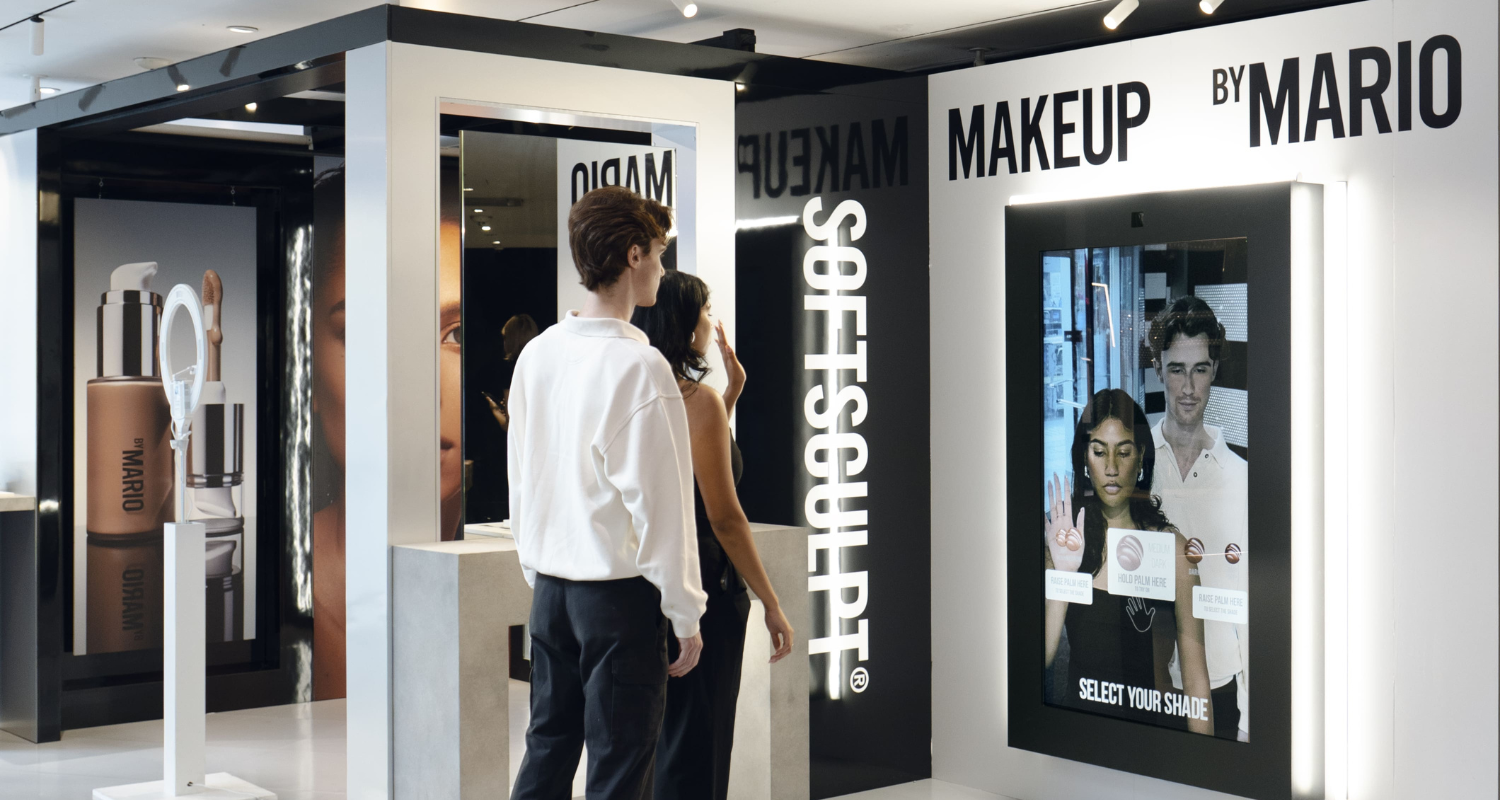
AR mirrors and smart screens can transform existing retail displays into interactive media surfaces.
A mirror inside a store can become a product discovery tool, a virtual try-on station, a branded content experience, and a performance media channel at the same time.
For example, instead of showing a static campaign for a new lipstick collection, an AR mirror can let shoppers try the shades, compare products, take a photo, scan a QR code, and continue the journey online.
This makes the screen more valuable because it does not just show the campaign. It activates the shopper.
AR Photo Moments and UGC
AR can also help brands generate user-generated content inside stores.
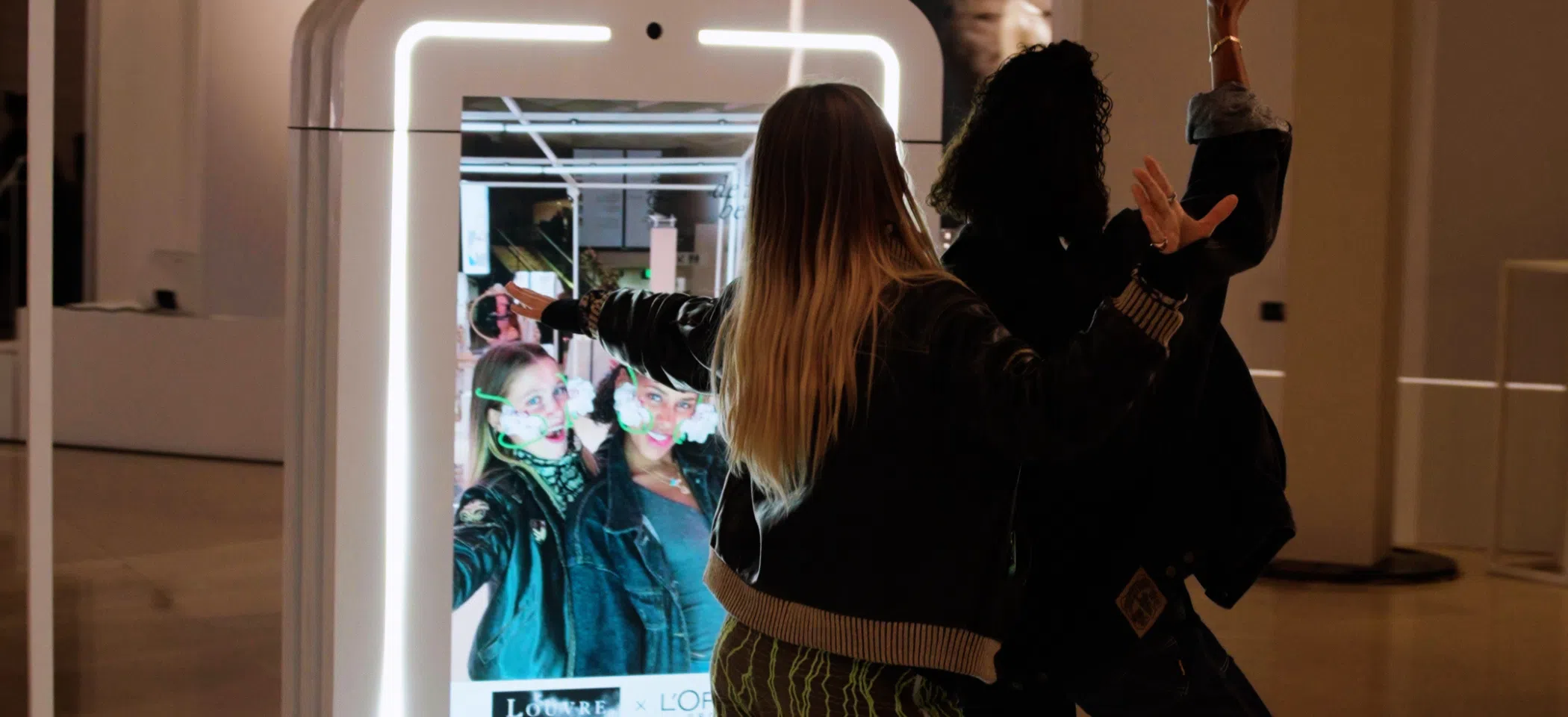
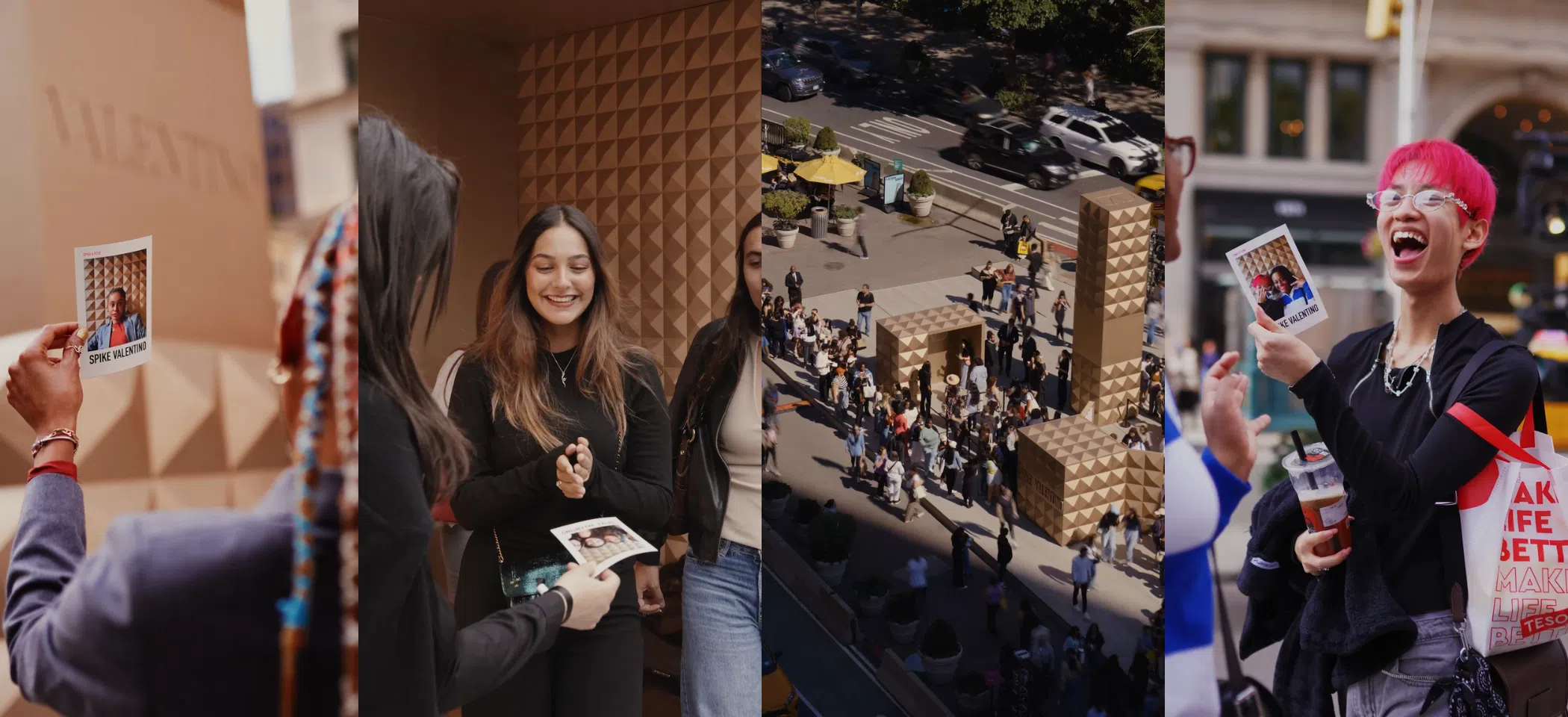
AR photobooths, smart mirrors, and interactive displays can turn shoppers into content creators by giving them branded photos, filters, effects, or campaign visuals to share on social media.
This extends the value of in-store media beyond the store. A single interaction can become a social post, a branded memory, or a shareable campaign asset.
For product launches, pop-ups, flagship stores, malls, events, and retail activations, this type of UGC can become a major part of campaign reach.
Key In-Store Advertising Benefits for Brands and Retailers
The main in-store advertising benefits come from timing, context, engagement, and measurement.
Unlike online ads, in-store ads reach shoppers when they are already physically present in a buying environment. They are close to the product, close to the shelf, and closer to the purchase decision.
That makes in-store retail media highly valuable for both brands and retailers.
Higher Shopper Engagement
Interactive in-store media can attract more attention than static displays because it invites shoppers to participate.
A poster can be ignored. A smart mirror, AR try-on, or interactive screen gives the shopper a reason to stop, explore, and engage.
Better Product Discovery
In-store retail media helps shoppers discover more products in less time.
Instead of relying only on packaging or shelf placement, brands can use screens, AR, and AI recommendations to explain product benefits, show use cases, demonstrate looks, or guide shoppers toward relevant items.
Stronger Purchase Influence
In-store advertising reaches customers close to the point of purchase.
This matters because the shopper is not just scrolling casually. They are already in a retail environment, considering products, and often ready to buy.
A well-placed in-store media experience can influence the final decision.
More Measurable Offline Campaigns
One of the biggest in-store advertising benefits is better measurement.
With interactive screens, AR mirrors, QR codes, and AI analytics, brands can track how shoppers engage with campaigns. This helps teams understand what content works, which products attract attention, and which experiences lead to deeper engagement.
New Revenue Stream for Retailers
For retailers, in-store retail media creates a new monetization opportunity.
Retailers can turn screens, storefronts, checkout areas, smart mirrors, and branded zones into media inventory that brands can use for campaigns.
This creates value from physical store space beyond direct product sales.
More User-Generated Content
Interactive in-store experiences can also drive social sharing.
When shoppers create AR photos, branded selfies, try-on content, or campaign visuals, the in-store activation can continue online. This gives brands more organic reach and helps connect physical retail with social media.
Examples of Interactive In-Store Retail Media
The future of in-store retail media will include many different formats. The strongest campaigns will combine media, technology, creativity, and shopper utility.
AR Mirrors for Beauty and Fashion
AR mirrors allow shoppers to try products virtually and interact with branded experiences in real time.
Beauty brands can use them for makeup try-on, skin visualization, product tutorials, and campaign looks. Fashion brands can use them for styling, outfit discovery, and immersive product launches.
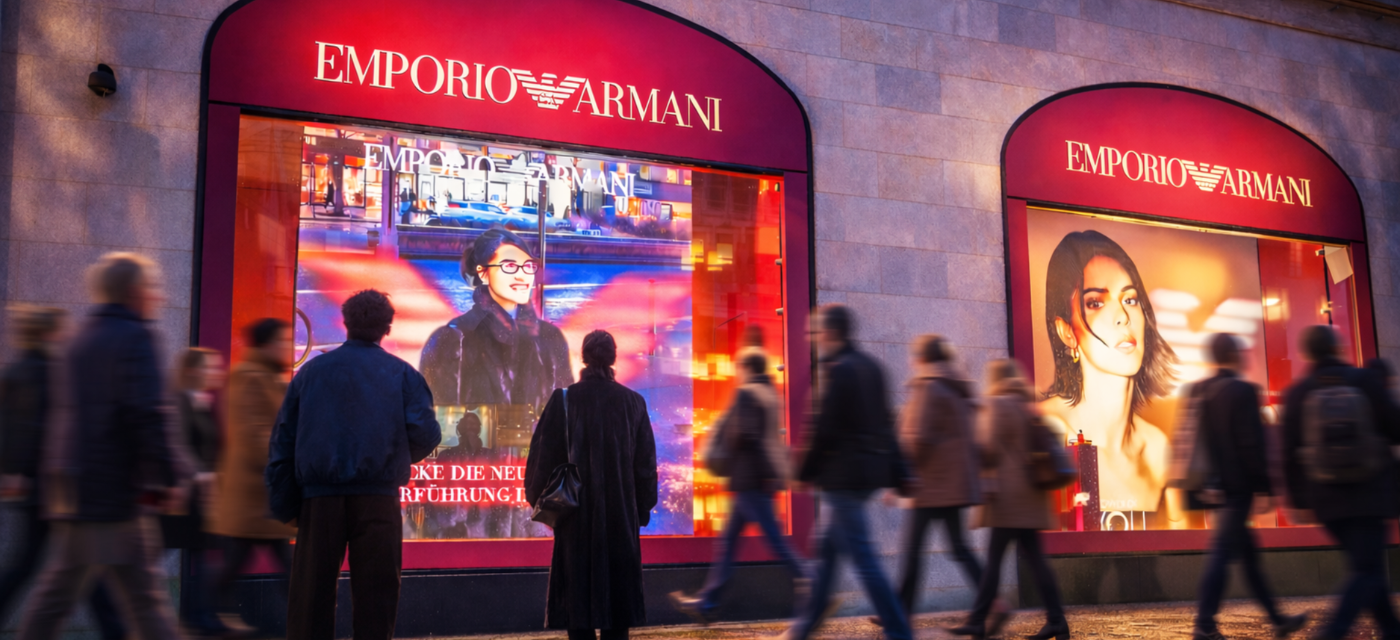
Smart Storefronts
A storefront can become more than a window display.
With interactive screens and AR experiences, brands can turn storefronts into media channels that attract passersby, increase foot traffic, and create engagement before the shopper even enters the store.
This is especially powerful for malls, flagship stores, high-street retail, and campaign launches.
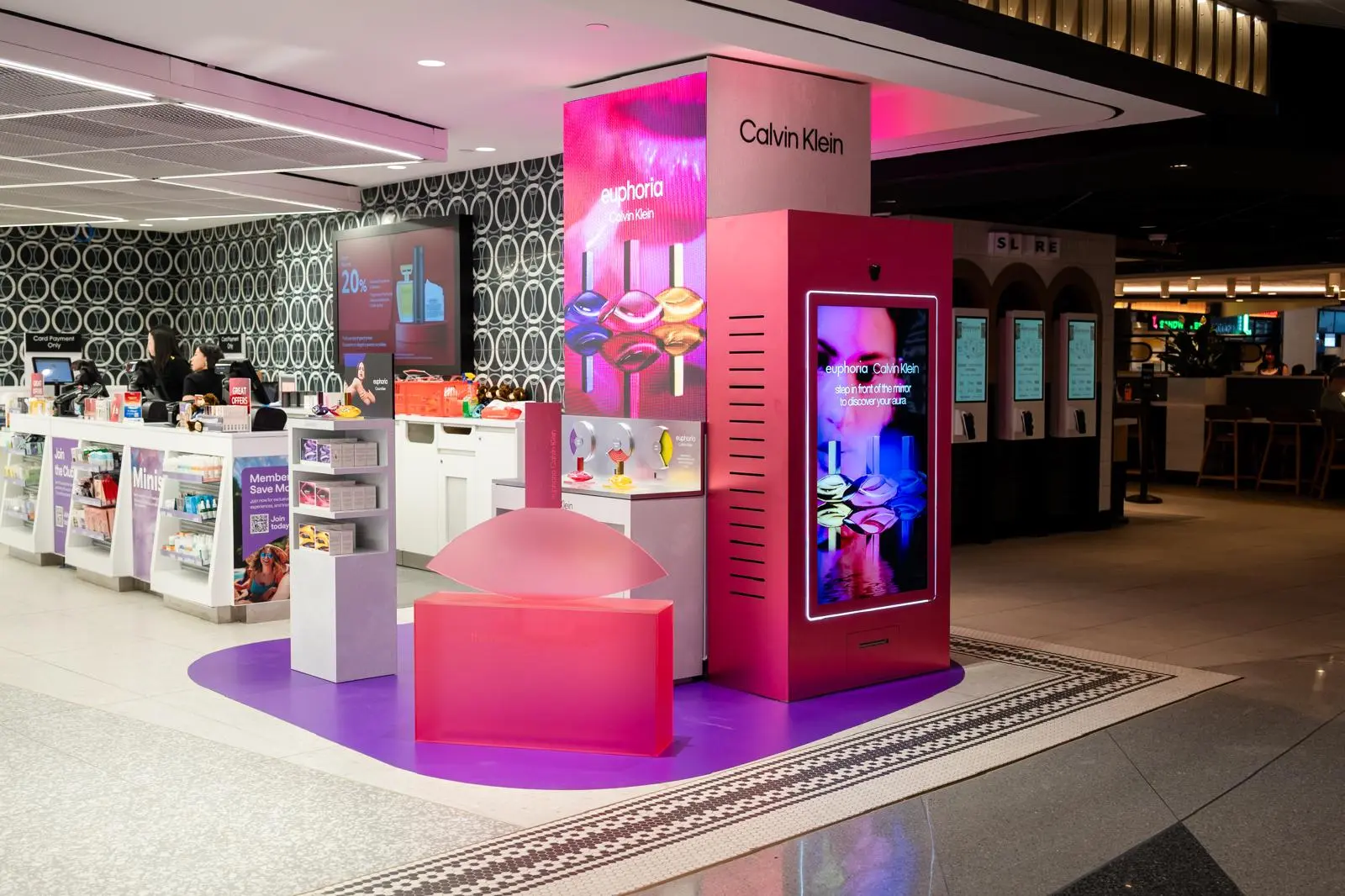
Interactive Retail Screens
Interactive retail screens can support product education, campaign storytelling, recommendations, games, quizzes, tutorials, or personalized offers.
Instead of playing the same video on repeat, these screens invite shoppers to choose what they want to explore.
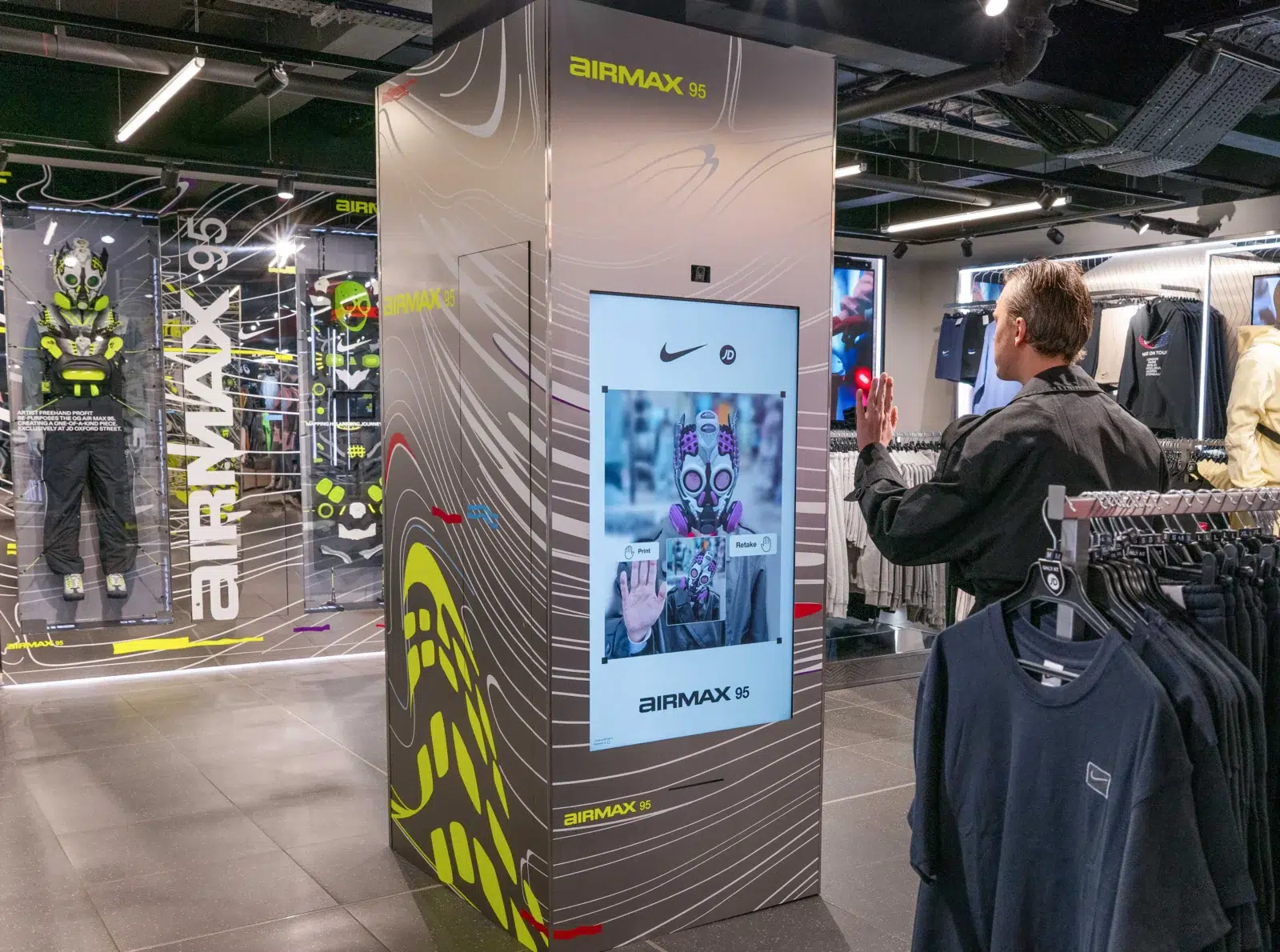
AR Photobooths
AR photobooths are especially effective for pop-ups, store openings, events, product launches, and experiential campaigns.
They create a clear value exchange: the shopper gets a fun, branded photo or video, and the brand gets engagement, UGC, and campaign visibility.
AI-Powered Retail Activations
AI-powered activations can create personalized beauty looks, outfit ideas, product recommendations, fragrance profiles, campaign visuals, or branded content experiences.
This makes the store feel more dynamic and memorable.
How In-Store Retail Media Supports the Full Shopper Journey
In-store retail media can support the entire shopper journey, not just the final purchase moment.
| Shopper Journey Stage | Role of In-Store Retail Media |
|---|---|
| Awareness | Attract attention through screens, storefronts, and branded zones |
| Discovery | Help shoppers explore products through interactive displays |
| Consideration | Use AR try-on, tutorials, recommendations, and product education |
| Purchase | Support promotions, QR codes, product selection, and conversion |
| Post-visit | Encourage UGC, social sharing, retargeting, and online follow-up |
This is why in-store media is becoming more important for modern retail strategies. It connects physical presence with digital engagement.
A shopper can discover a product in-store, try it through AR, scan a QR code, save the result, share content, and continue interacting with the brand online.
What Brands Should Measure in In-Store Retail Media Campaigns
Modern in-store advertising should not be measured only by placement or estimated impressions. Brands need to understand how shoppers actually engage.
Important KPIs include:
- total interactions
- interaction rate
- dwell time
- product views
- try-on sessions
- QR scans
- content shares
- UGC created
- foot traffic uplift
- campaign completion rate
- assisted sales
- repeat engagement
- product-level interest
These metrics help brands evaluate in-store retail media as a performance channel, not just a visibility channel.
The more interactive the campaign is, the more data it can generate. This helps brands improve creative, optimize product messaging, and understand what shoppers care about in the physical store environment.
The Future of In-Store Advertising Is Interactive, Measurable, and Personalized
The future of in-store advertising is not about adding more screens to stores. It is about making those screens more useful, more interactive, and more measurable.
Static ads will not disappear completely, but they will become part of a larger media ecosystem. The most effective retail campaigns will combine visibility with interaction.
- AI will make in-store campaigns more personalized.
- AR will make product discovery more immersive.
- Smart screens will make offline engagement more measurable.
- Retailers will treat physical space as valuable media inventory.
- Brands will expect real performance data from in-store campaigns.
This is the next stage of in-store retail media: not just advertising inside stores, but interactive experiences that help shoppers discover, try, choose, and share.
How loook.ai Helps Brands Build Interactive In-Store Retail Media
loook.ai helps brands and retailers turn physical screens into interactive retail media channels using AI, AR, smart mirrors, smart storefronts, AR photobooths, and interactive displays.
Instead of replacing store infrastructure, loook.ai helps brands activate existing screens with interactive experiences. This makes it easier to launch AI and AR-powered campaigns across stores, pop-ups, events, shopping malls, travel retail locations, and brand activations.
With loook.ai, brands can create:
- AR & AI virtual try-on experiences
- AI-powered product interactions
- smart mirrors for beauty, fashion, and eyewear
- smart storefronts that attract passersby
- AR photobooths for UGC and social sharing
- interactive retail screens for product discovery
- engagement analytics for campaign measurement
For retailers, this creates new ways to monetize physical space as media inventory. For brands, it creates a more engaging way to influence shoppers close to the point of purchase.
In-store retail media is becoming more than a screen network. It is becoming an interactive sales and engagement channel.
Conclusion
In-store retail media is moving from static visibility to interactive performance.
Physical stores are no longer just sales spaces. They are becoming measurable media environments where brands can attract attention, create engagement, collect insights, and influence purchase decisions in real time.
Traditional in-store advertisements helped brands be seen. The next generation of in-store media will help brands be experienced.
With AI, AR, smart screens, and interactive retail technology, the future of in-store retail media will be more personalized, more measurable, and more connected to the full shopper journey.
For brands and retailers, the opportunity is clear: the store is no longer just where the campaign ends. It is where the most valuable interaction can begin.