









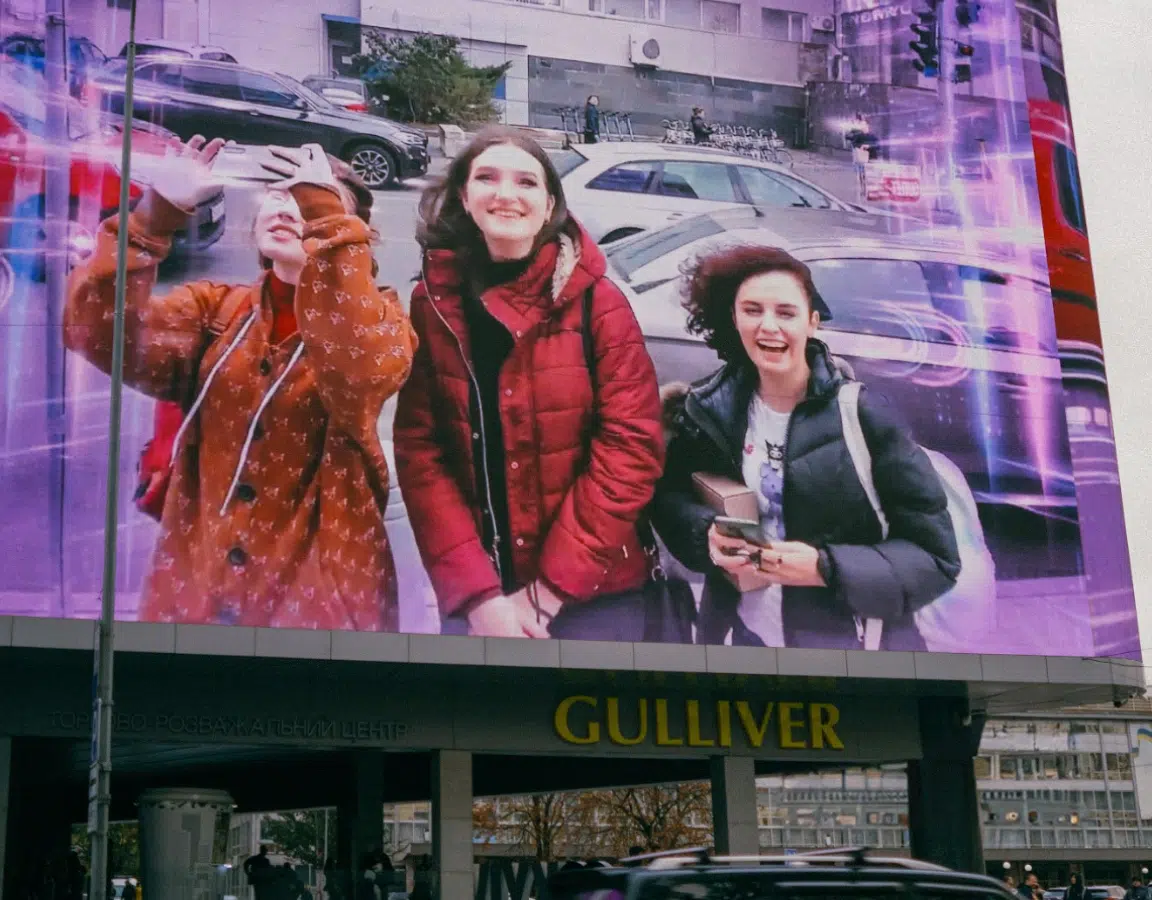


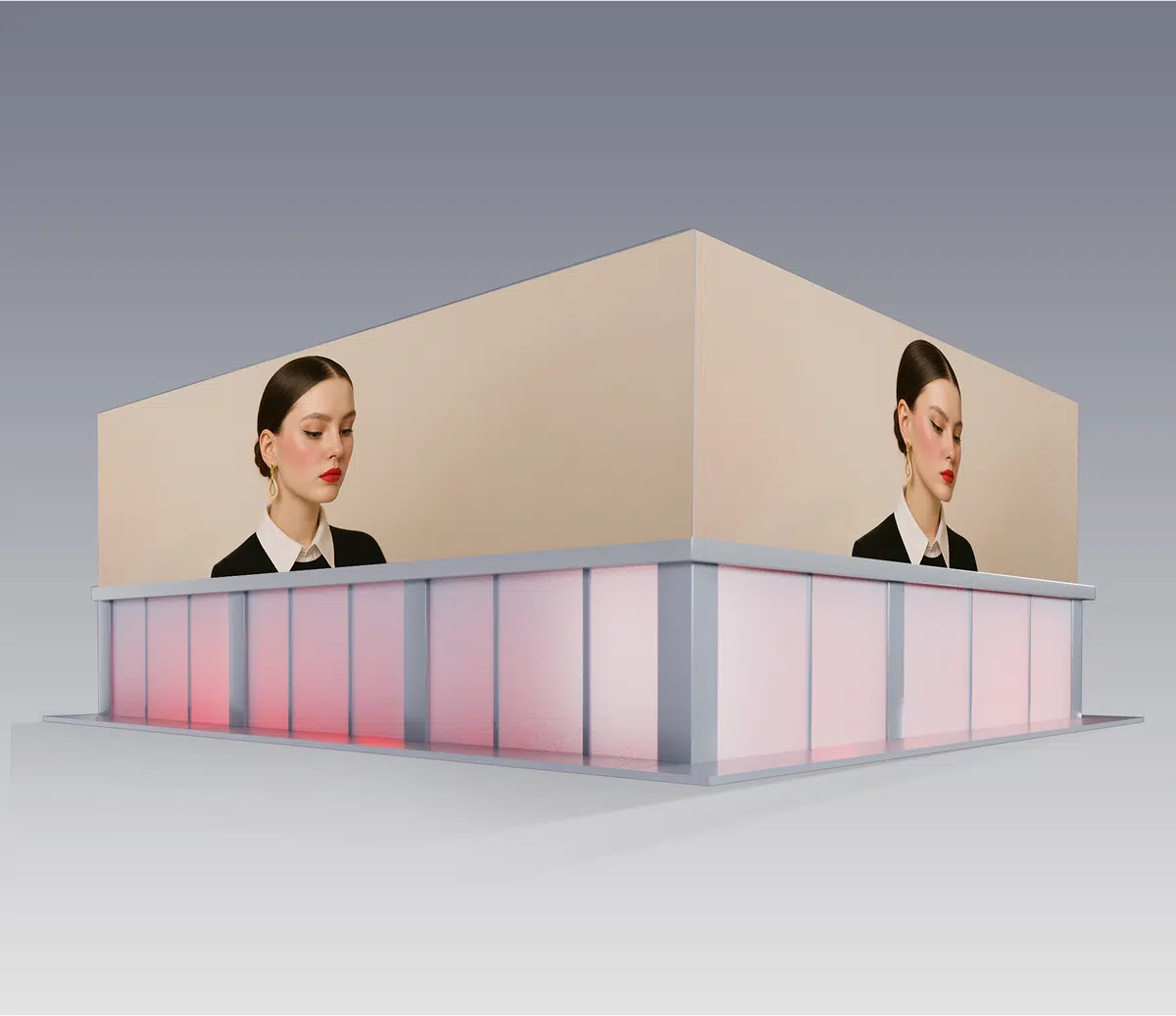
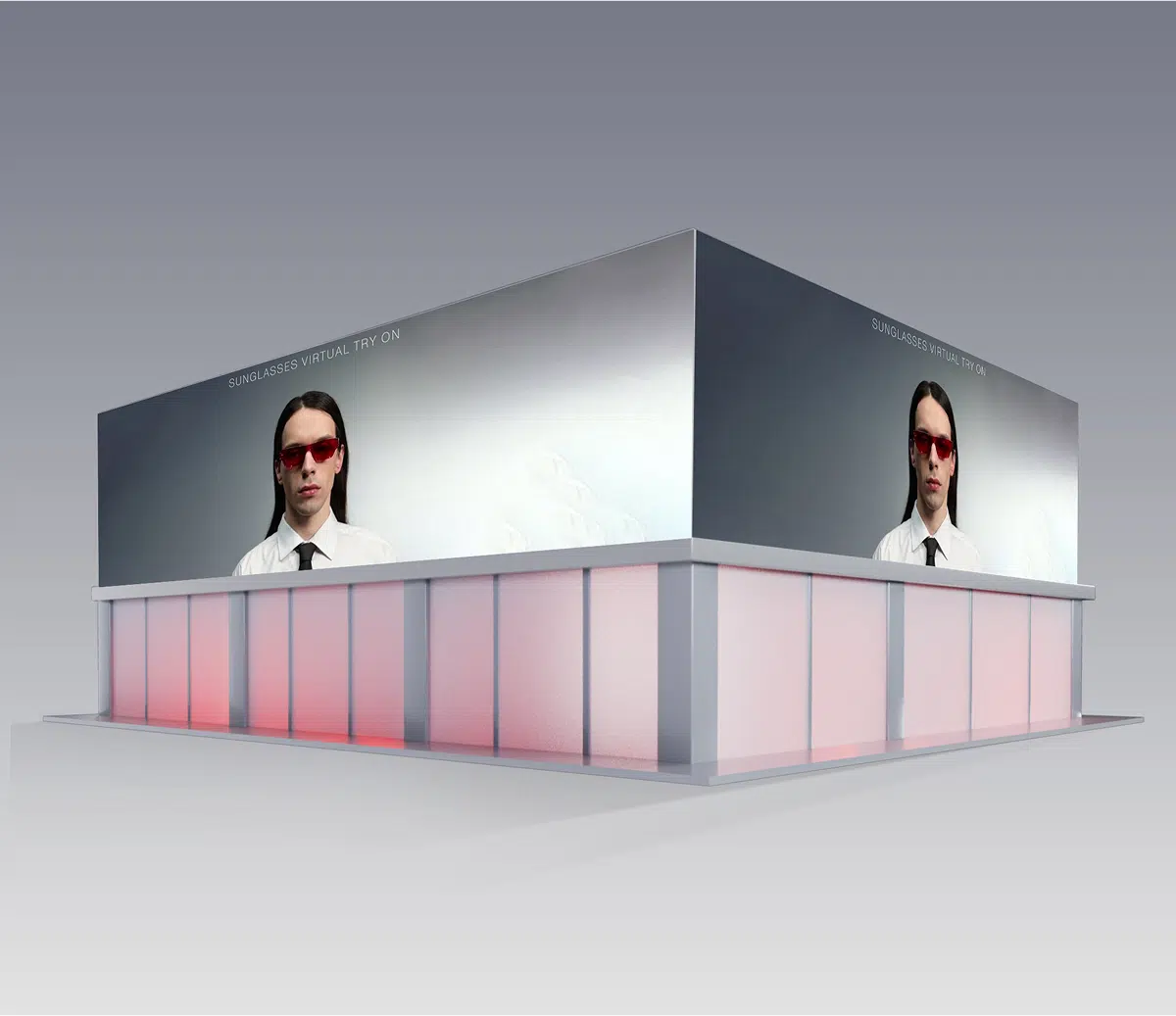
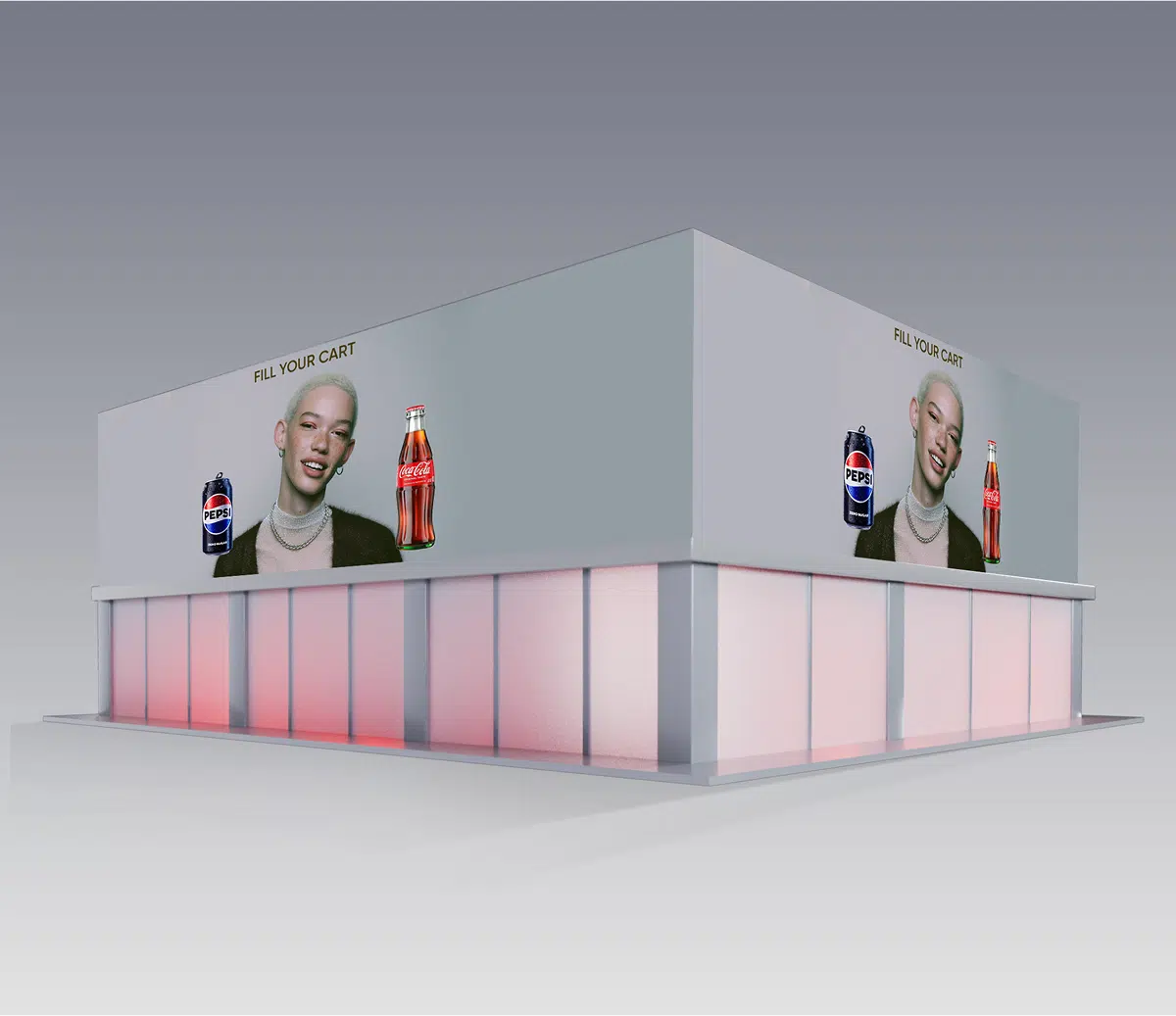
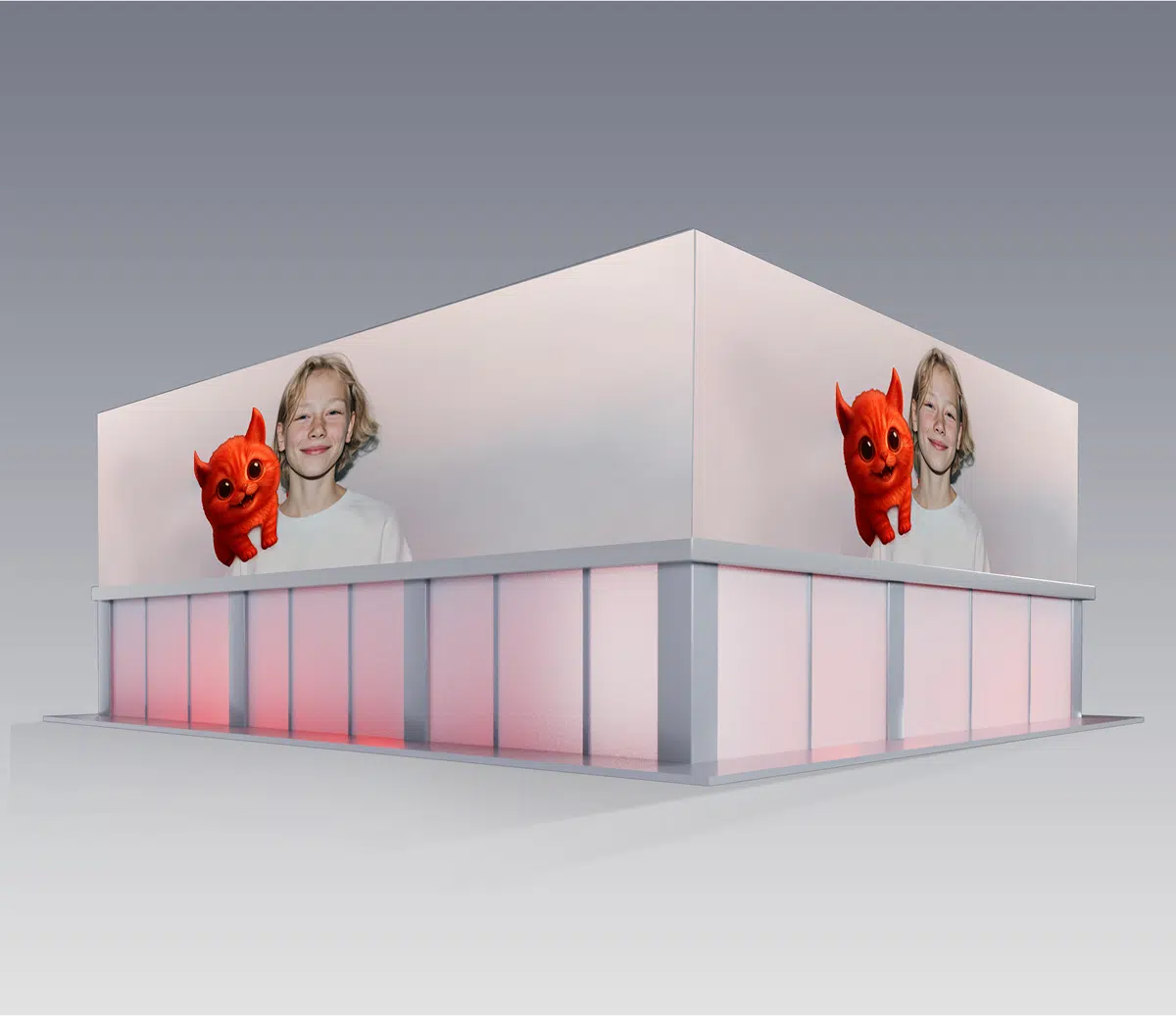
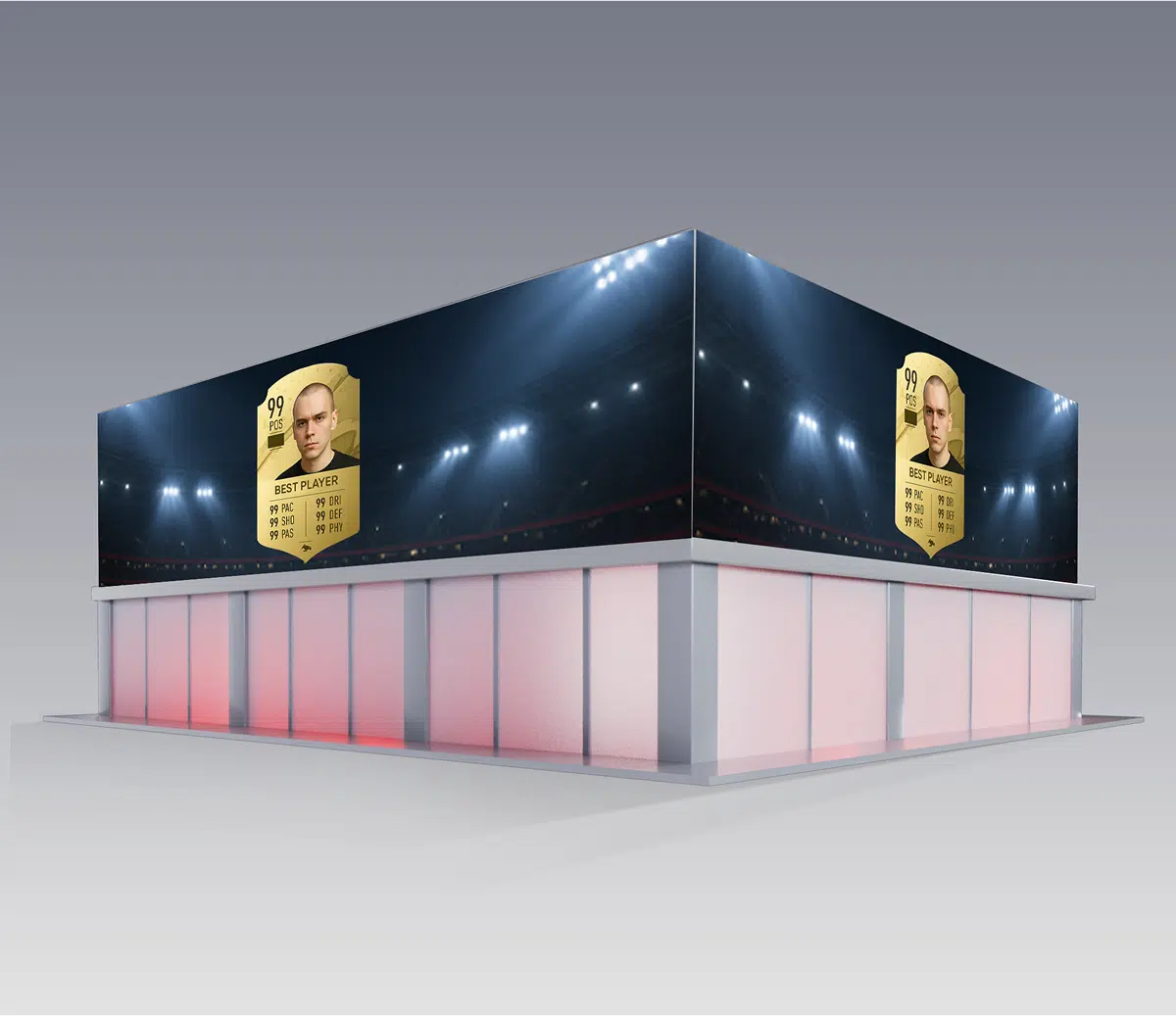
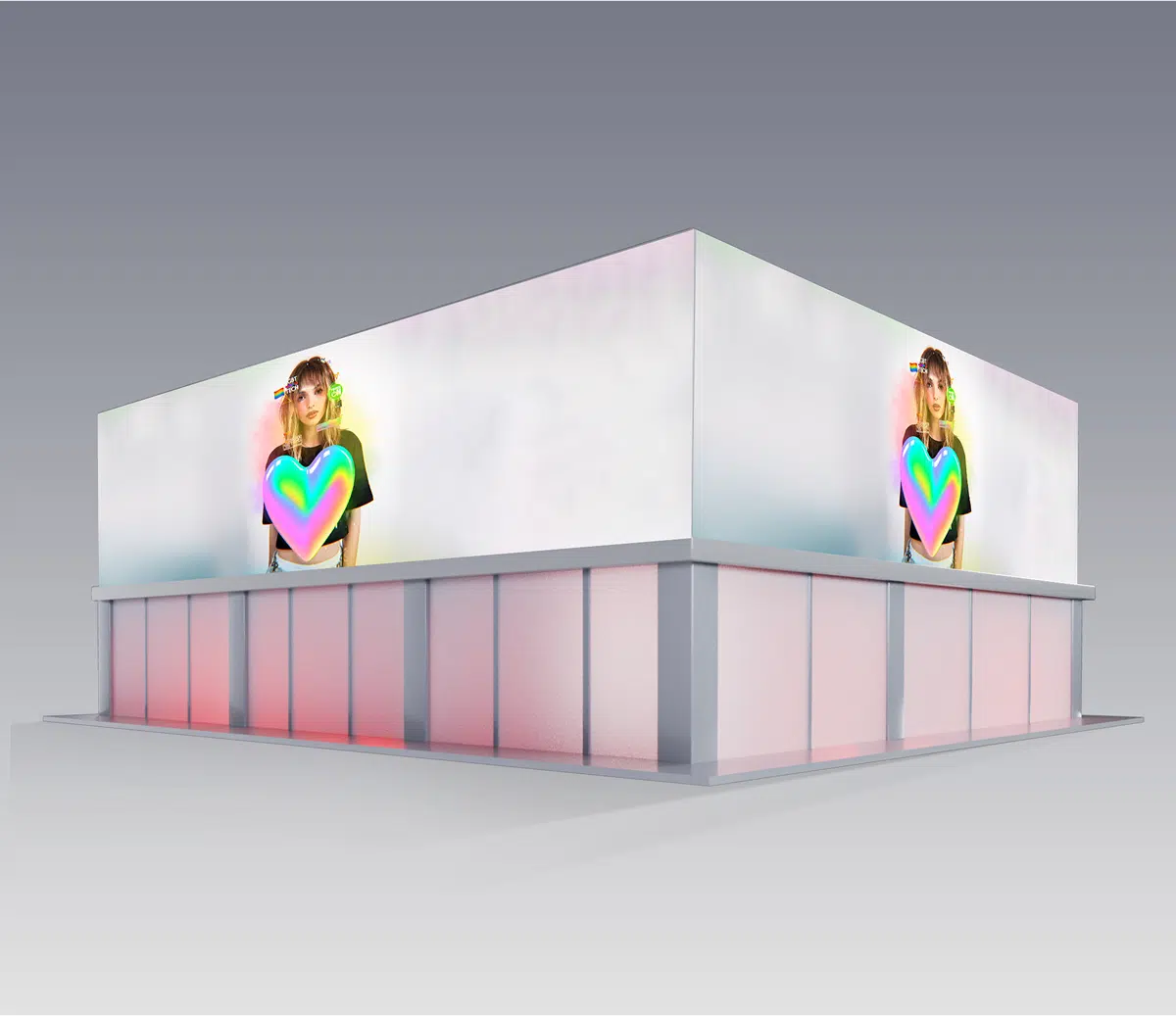
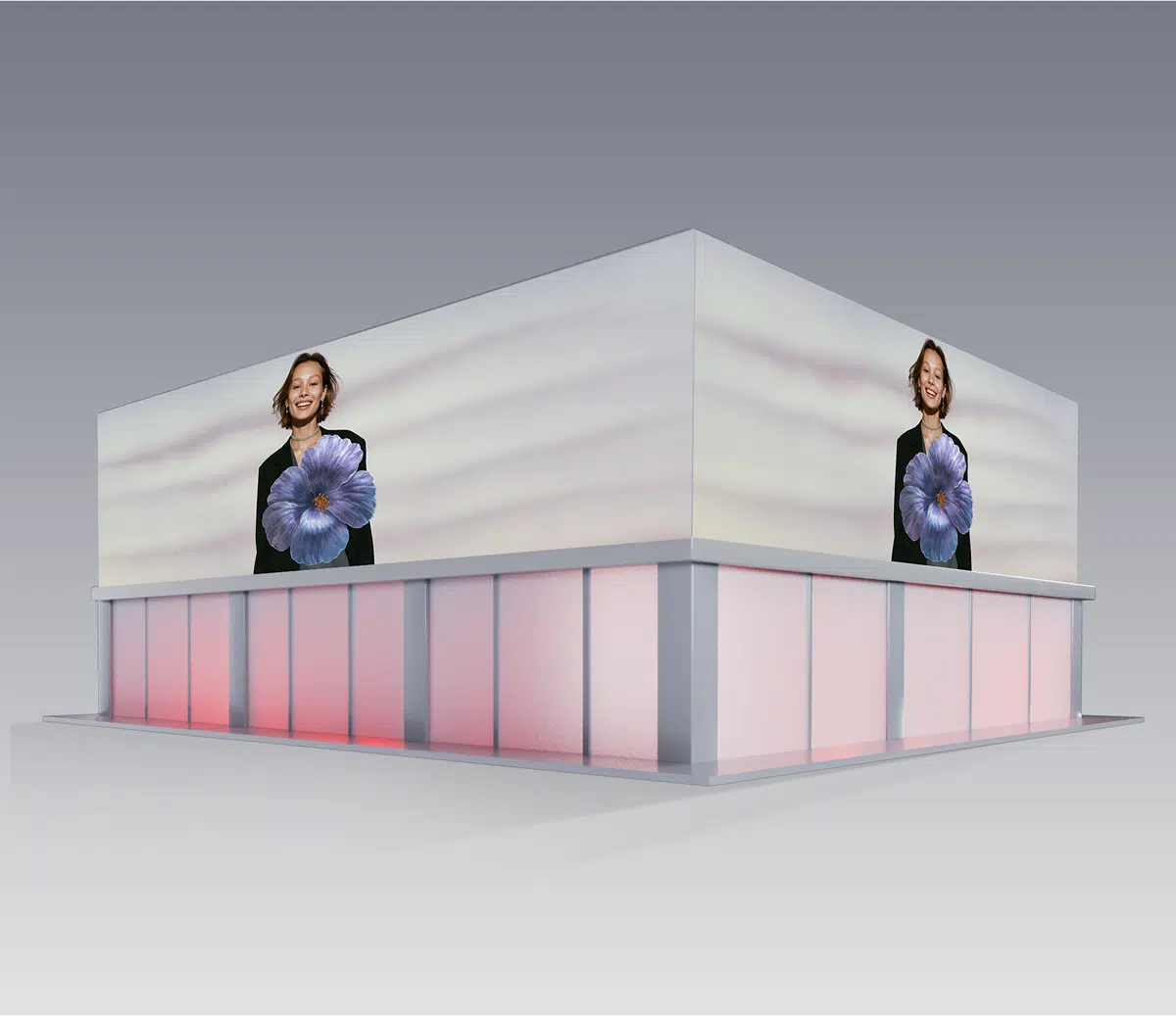
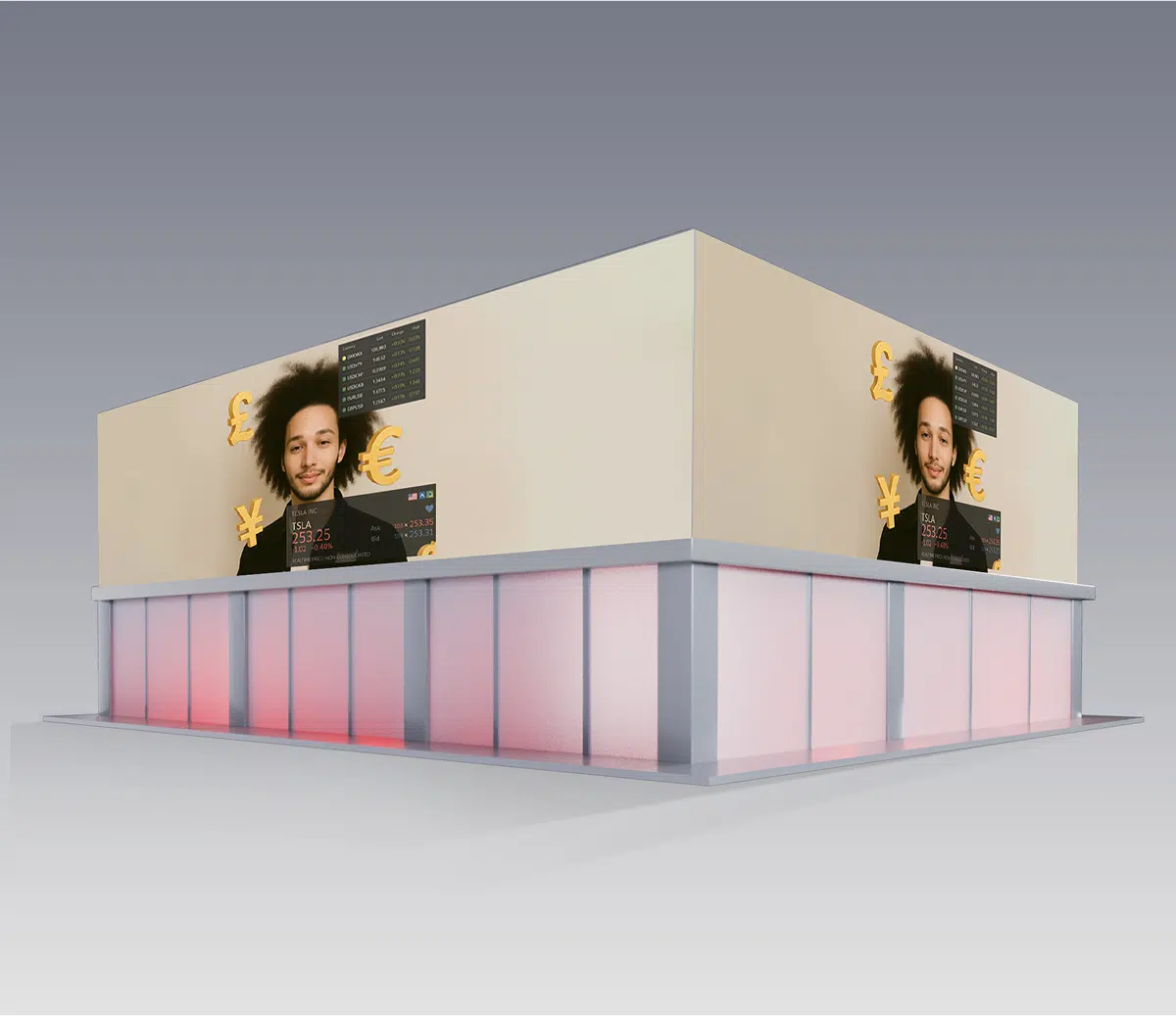



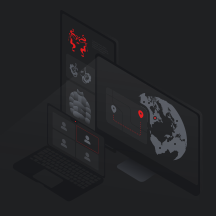
An outdoor billboard app is a software platform that manages and measures digital out-of-home advertising. It enables brands to run dynamic, data-driven campaigns from a single system. LOOOK.AI transforms existing digital billboards into AI- and AR-enabled screens. The software uses AI to adapt content in real time, enables interactions through QR codes or camera-based AR, and tracks anonymized performance data like engagement and conversions—making OOH a measurable marketing channel.
From OOH to OMG with AR Billboards
Get in TouchTrusted by the industry leaders:
What Does It Work Best for?
AR Billboard Use Cases:
Industries
The Value for
Consumers
&
Brands
Makes them the star
Unexpected interaction on the street
Quick, powerful emotional payoff
Shareable brag-moment
Transforms OOH into engagement
Drives press and social attention
Multiplies ROI on media placements
Builds connection instead of noise
The Value for Consumers
Makes them the star
Unexpected interaction on the street
Quick, powerful emotional payoff
Shareable brag-moment
The Value for Brands
Transforms OOH into engagement
Drives press and social attention
Multiplies ROI on media placements
Builds connection instead of noise
AR Billboard Cases
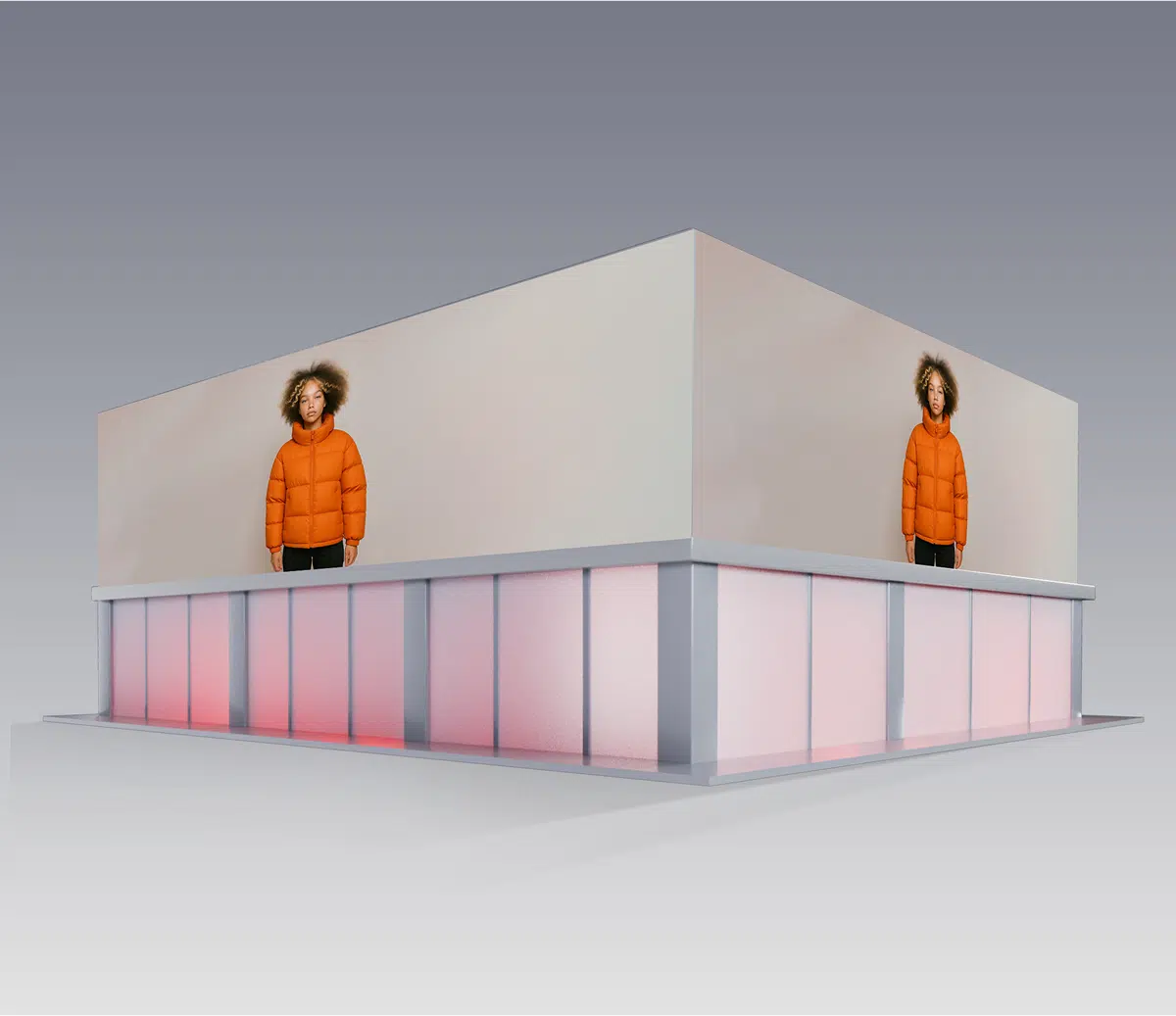
Bershka Barcelona
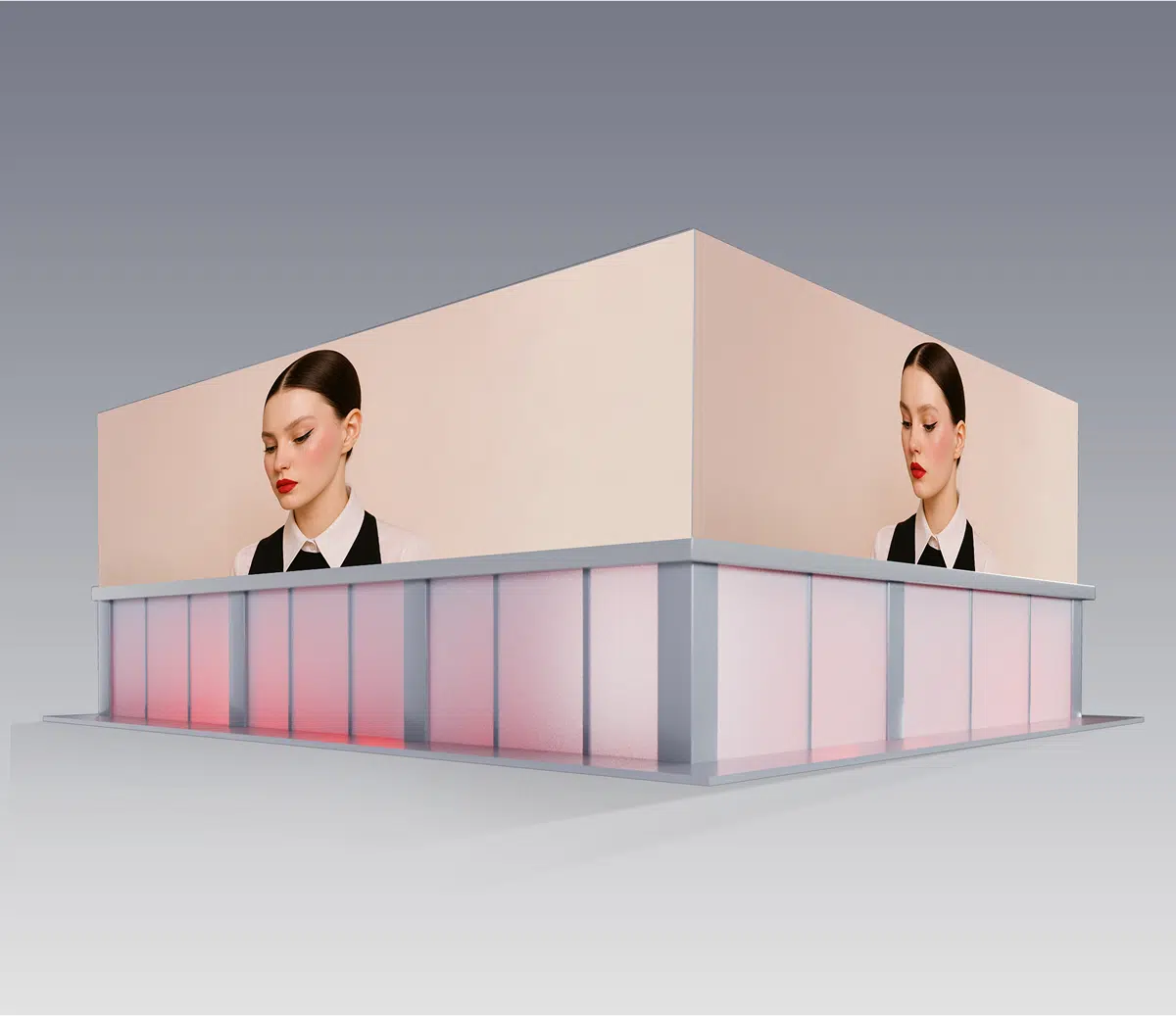
Falsies Surreal Extensions Mascara
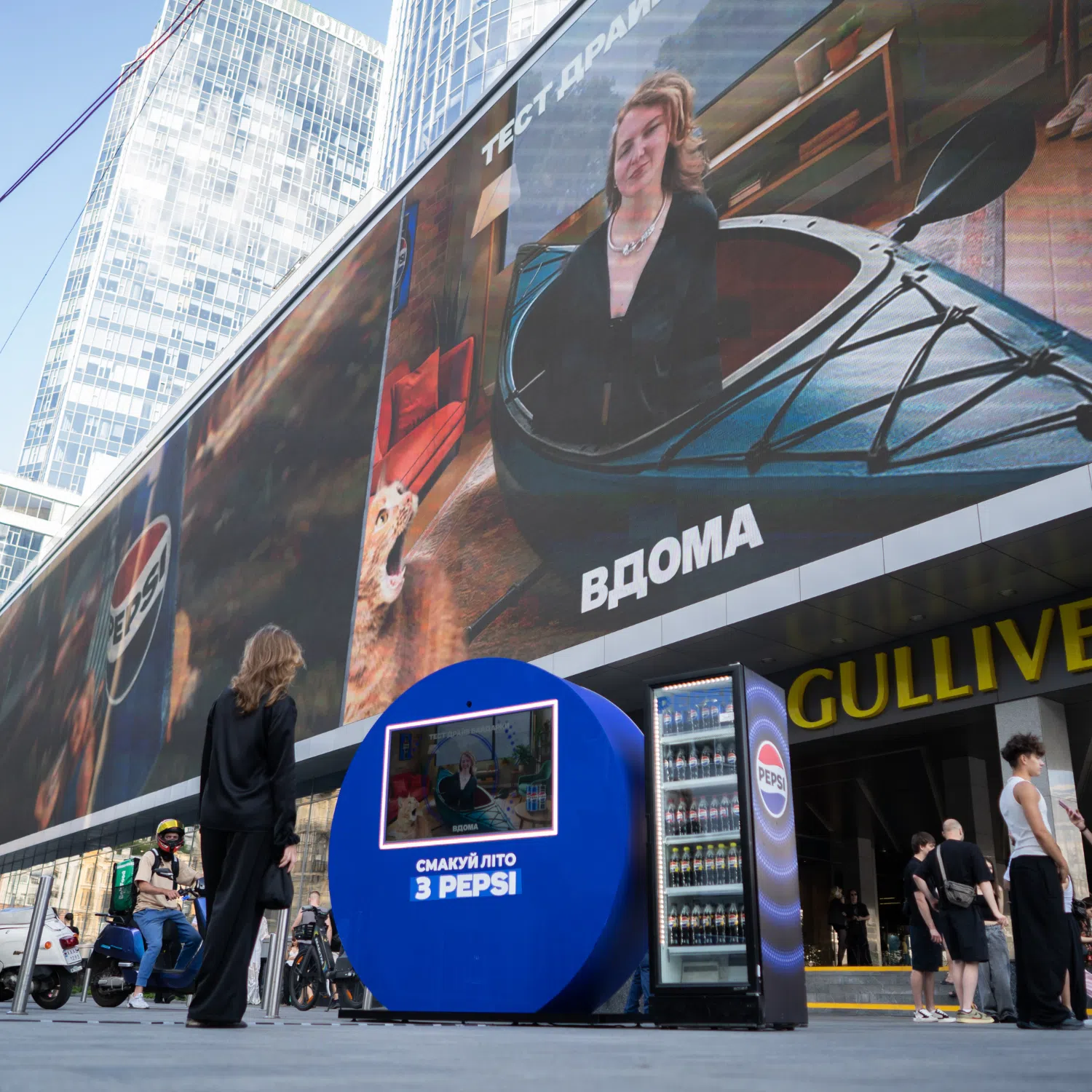
Pepsi AR Billboard
Madrid Store Opening
FAQ
Traditional digital billboards display pre-scheduled, static content to all passersby. Performance is measured through impressions and estimated reach. AR OOH ads use augmented reality to create interactive, data-driven experiences with 3D visuals and animations. AI enables dynamic, personalized content that adapts based on time, location, crowd density, and audience attributes.
AR OOH ads break through banner blindness. Traditional outdoor ads blend into the background and are often ignored. AR-powered experiences feel unexpected and interactive, naturally drawing attention. By turning passive screens into experiences, AR OOH advertising creates stronger emotional engagement, longer dwell time, and higher memorability. People interact with the message, often capturing and sharing it. This drives better recall, deeper engagement, and measurable performance.
Yes. Immersive billboards use AI to deliver personalized content by analyzing anonymized audience data and real-world conditions in real time, then adapting visuals, messaging, and AR effects accordingly. Instead of showing the same creative to everyone, the system responds to context—time of day, traffic flow, crowd density, and general audience profiles—to make the content feel relevant in that specific moment.
This AI-driven approach also allows campaigns to improve while they’re live. By measuring attention and interaction signals, the smart billboard automatically prioritizes higher-performing creatives and adjusts how messages are presented. As a result, immersive AI billboards move beyond static advertising—they become adaptive, data-driven experiences that feel timely, engaging, and more effective than traditional outdoor media.
Passersby interact with AR functionality in a simple, intuitive way. Eye-catching visuals on the billboard prompt them to stop. They can step into the camera’s view to see themselves on screen with real-time AR effects, or scan a QR code to open a mobile AR experience instantly in their browser.
As they move or gesture, the AR content responds in real time—overlaying virtual products, branded effects, or interactive elements. The interaction ends with a clear next step: save or share the content, visit a campaign page, or continue the experience on their phone.
Yes. AR billboards are fully customizable—visual style, messaging, AR effects, animations, interactions, and CTAs can all be tailored to your brand, campaign goals, and audience. LOOOK.AI transforms any existing digital screen into an AR-enabled experience—no hardware replacement needed. Standard DOOH inventory becomes interactive AR surfaces that respond in real time, scalable across single or multi-city campaigns.
Brands control everything through one platform, with the ability to adapt content quickly based on location, audience, or performance.
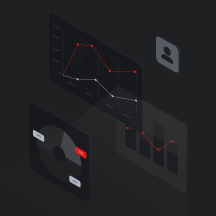
LOOOK.AI smart screen software measures real, privacy-safe engagement instead of relying on estimated impressions. Brands can track how many people interact with the screen, how long they engage, and when activity peaks throughout the day.
The platform provides anonymous audience insights—general age ranges, group size, and sentiment analysis—without identifying individuals. Campaign effectiveness is measured through action-based metrics: QR code scans, landing page visits, and social shares. This gives brands a clear view of engagement quality and post-experience impact.
Yes. Our AR billboards are fully GDPR-compliant and built with privacy-by-default principles. In the United States, the platform aligns with key privacy standards, including CCPA/CPRA in California. The system collects only anonymous, non-identifiable data—no personal images, facial identities, or biometric information are stored. Where required, user interaction is consent-based. This allows brands to gain meaningful performance insights while meeting EU and US privacy expectations and maintaining consumer trust.
Yes. AR-powered OOH ads need an internet connection to deliver real-time content, run AI processing, and enable interactive features. Connectivity allows the billboard to trigger AR experiences, adapt visuals based on live conditions, and sync interactions between the screen and users’ phones via QR codes or web-based AR.
An active connection is also essential for tracking performance and optimizing campaigns. Engagement data, interaction metrics, and conversion signals are transmitted securely to analytics dashboards—letting brands monitor results and update creatives remotely. This keeps AR OOH campaigns dynamic, measurable, and scalable, with no on-site technical work required.
No. We do not record the AR billboard experience. The system does not store video, photos, or any personally identifiable visual data from passersby. Camera input is processed in real time to enable AR effects and interaction, then immediately discarded.
All analytics are fully anonymized and aggregated—focusing on engagement metrics like interaction counts and dwell time, not individual behavior. This approach ensures privacy compliance and allows brands to run immersive AR campaigns while maintaining user trust and data protection standards.
AI billboards connect offline attention with online action. They allow users to move seamlessly from a physical screen to digital channels through QR codes, mobile AR, landing pages, or social platforms, turning OOH exposure into measurable engagement.
Because AI OOH campaigns can share performance data with other marketing channels, brands can align messaging across AI billboards, social media, web, and performance ads. This makes AI billboards an integrated, data-driven part of an omnichannel strategy rather than a standalone outdoor format.
Get in Touch
to revolutionize your retail!
Thank You!