
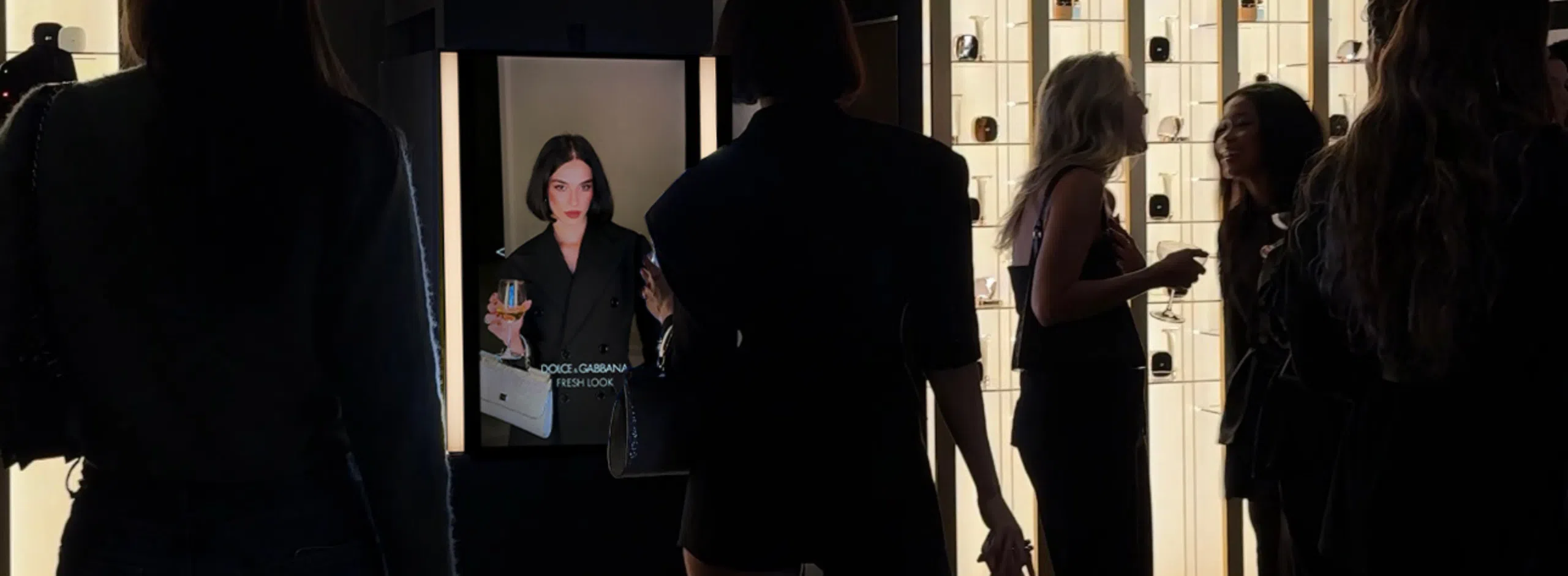

Customer experience is not only about speed or convenience anymore. It is about helping people feel confident, engaged, and supported at each step of the journey. Today, customers want to explore products quickly, understand what to expect, and get guidance that feels relevant instead of generic.
That is where augmented reality becomes especially useful.
AR adds a digital layer to real spaces, products, and environments. Instead of only looking at a display or reading a description, customers can interact, test, and learn in real time. When it is designed well, AR makes the journey feel simpler and more intuitive.
For brands, the impact can be practical and measurable. AR can support product discovery, reduce friction, increase dwell time, improve conversion, and create memorable moments that extend across both in-store and digital touchpoints.
What Is AR Customer Experience
AR customer experience is the use of augmented reality to improve how people interact with a brand, product, or space. It works by overlaying digital content onto the real world through devices such as smartphones, tablets, in-store displays, interactive kiosks, AR mirrors, and smart screens.
That digital layer can show up in many ways:
- virtual try-on
- interactive product education
- real-time recommendations
- gamified brand interactions
- guided discovery journeys
- personalized content based on user behavior or visible features
- immersive storefront activations
The goal is not novelty for its own sake. Strong AR customer experience reduces uncertainty, makes browsing feel more natural, and helps customers move forward with less hesitation.
In simple terms, AR helps people see, test, and understand products in a more direct way.
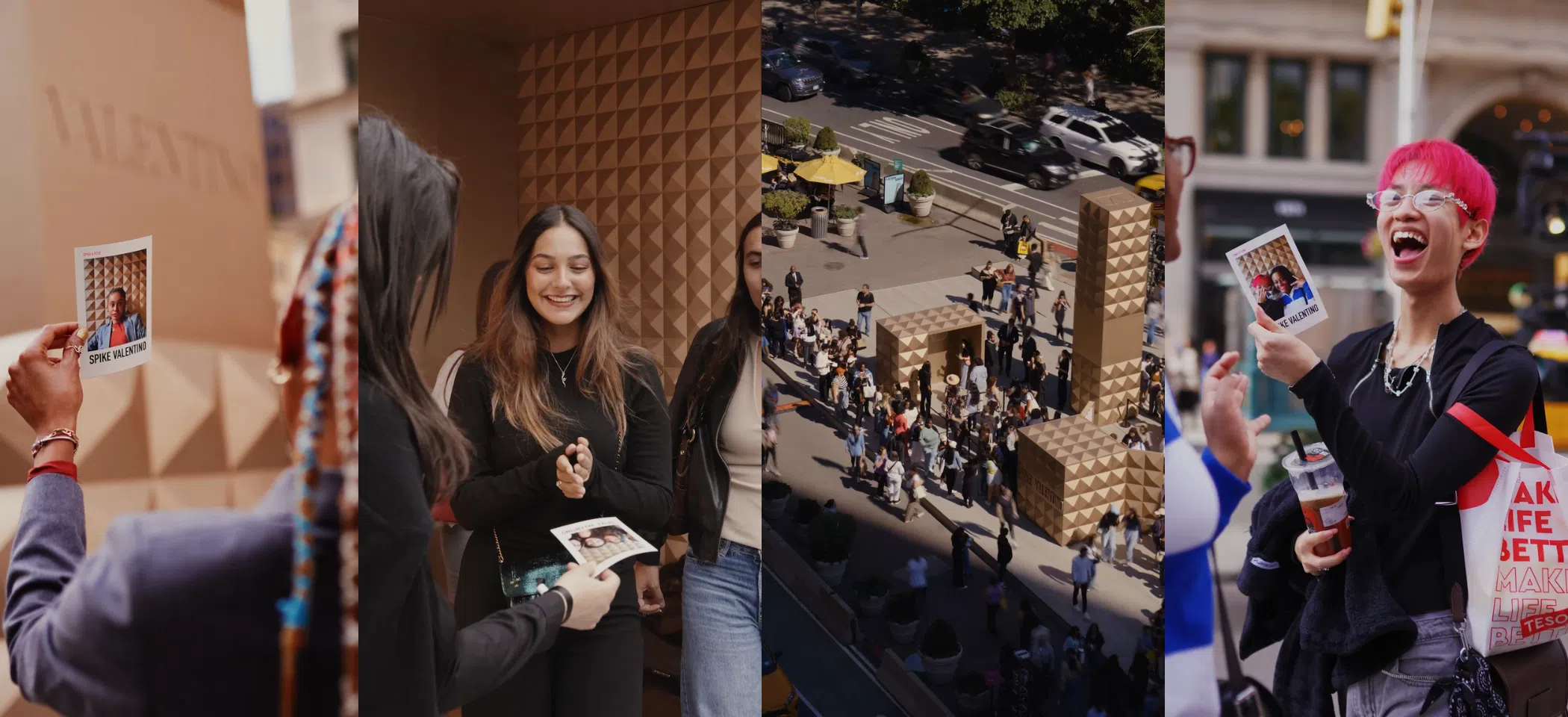
Why AR Matters for Modern Customer Experience
Customer experience has to adapt in real time, but many tools are still static. Printed materials, shelves, packaging, and standard digital signage can inform, but they usually deliver the same message to everyone, regardless of what a customer is trying to do in that moment.
So what changes when the experience can respond?
AR adds that responsiveness by bringing an interactive digital layer into real spaces and product journeys. It also reflects an established behavior, not a niche experiment. More than 300 million Snapchat users engage with AR every day on average, which shows how normal AR interactions have become for mainstream audiences. Younger shoppers are also 2x to 3x more likely to shop through emerging formats like virtual try-on, social media, and livestream shopping, which makes immersive formats increasingly relevant for modern retail journeys (Snap Newsroom).
In practical terms, AR closes the gap between interest and understanding. Instead of asking customers to imagine outcomes, it helps them see those outcomes immediately.
- What would this shade look like on me right now?
- Which products match my needs, and why?
- What can I explore next without starting over?
A virtual try-on can preview a look in real time. An AR mirror can help visualize skincare concerns and guide selection. A smart screen can turn a storefront from a passive branding surface into an interactive entry point.
This shift can also translate into measurable impact. Shopify reports that merchants who add 3D/AR previews see a 94% conversion lift on average.
That matters because today’s journey is fast-moving and fragmented across online and offline touchpoints. Customers compare options quickly and expect personalization that feels relevant. When AR is designed well, it supports those expectations in a way that stays clear, useful, and respectful.
Interest is also growing. In DHL’s 2025 E-Commerce Trends Report, 70% of shoppers said they want augmented reality shopping experiences.
1. Virtual Try-On Reduces Hesitation and Builds Purchase Confidence
Think about the moment a customer is interested, but not ready to commit. In many categories, the biggest barrier is simple: How will this look on me?
AR virtual try-on answers that question immediately, creating a more confident shopping experience. Customers can test shades, styles, and looks in real time, then compare options without extra effort.
How virtual try-on improves the experience:
- It makes the product feel real before purchase. People can see an outcome, not only read a description.
- It speeds up decision-making. The path from curiosity to confidence is shorter.
- It reduces guesswork. Customers do not have to imagine results on their own.
- It gives customers more control. They can explore, undo, and try again at their own pace.
In-store, AR mirrors can make this even smoother. Customers can try products hands-free without switching apps or holding a phone, which helps the experience feel faster and more premium.
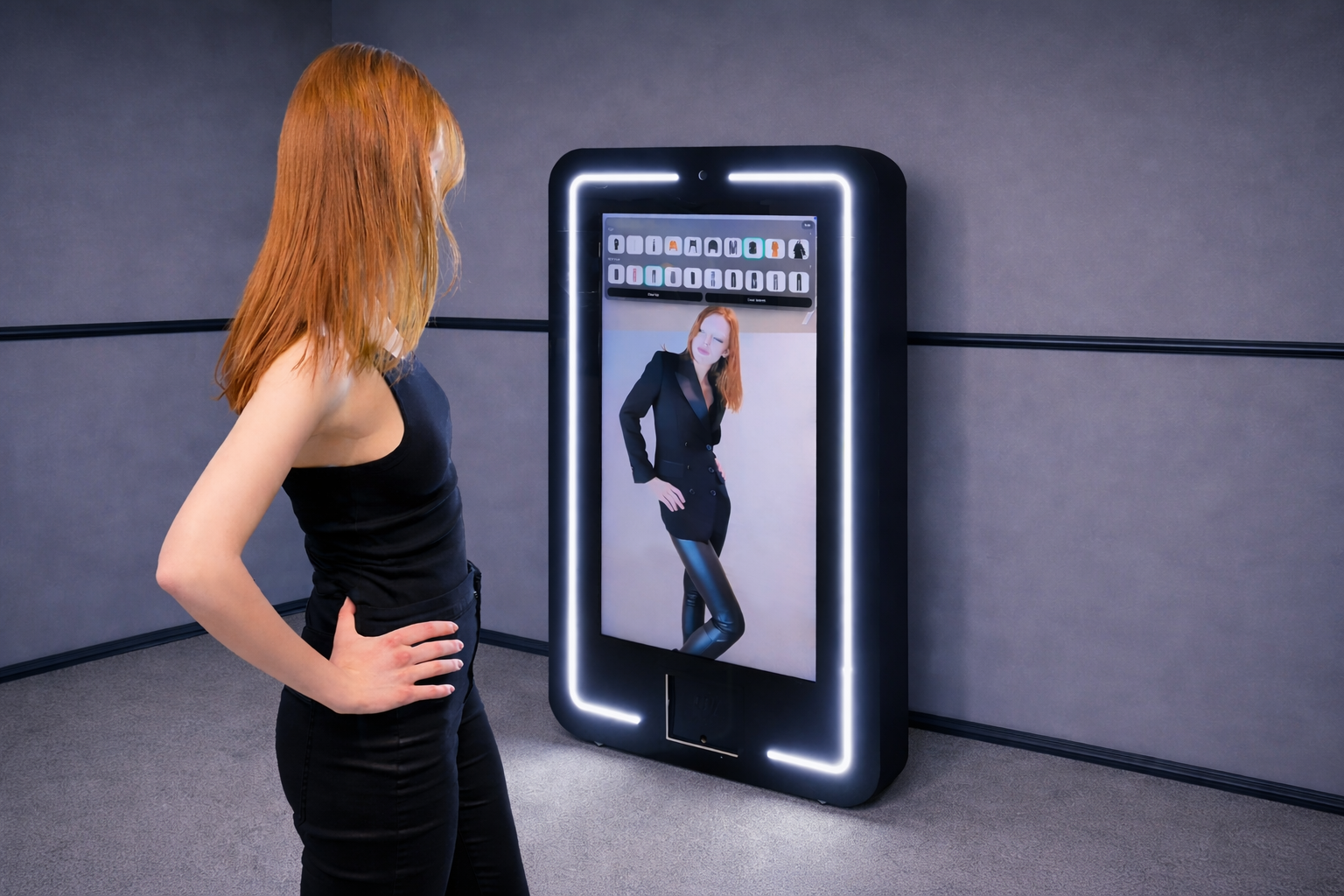
2. AR Mirrors Make Stores More Interactive and Memorable
In retail customer experience, an AR mirror does more than reflect someone’s image. It can react to presence, launch experiences automatically, overlay effects, simulate products, and guide people through a more personalized journey.
That changes the role of the store. Instead of being only a place where products are displayed, it becomes a place where products are experienced.
In beauty, this might mean virtual makeup try-on or guided skincare routines. In fashion, it can mean digital styling support or outfit visualization. In events, it can become a high-impact branded installation that encourages interaction and sharing.
Customer experience benefit: The space feels more dynamic, more useful, and more engaging. Customers are not only viewers. They become participants.
Brand benefit: AR mirrors connect storytelling with behavior. They attract attention, but they can also support product exploration and purchase decisions.
3. Smart Screens Turn Static Spaces Into Responsive Experiences
Smart screens upgrade the role of digital displays in customer experience, enabling AR product visualization. Instead of running a looped video, the screen becomes interactive.
A storefront screen can react to motion. A retail smart display can let customers browse options. An event screen can trigger personalized content. A hospitality screen can guide guests through branded experiences instead of showing generic messaging.
This matters because static visual communication often struggles to hold attention in crowded environments. Smart screens create a reason to stop, look, and engage.
Common use cases for smart screens:
- storefront activations that turn walk-by traffic into engagement
- in-store product education
- interactive brand campaigns
- beauty consultations
- fashion styling journeys
- pop-up and exhibition experiences
4. AR Improves Product Discovery
In many categories, customers are interested, but they still struggle to find the right option quickly. Traditional discovery tools such as shelves, signage, and standard browsing tend to show the same information to everyone. They often depend on customers already knowing what to look for, or being willing to compare options without much guidance.
AR makes discovery more visual and responsive. With AR mirrors and smart screens, customers can explore products through interactions that match how they make decisions in real life.
- Browse more naturally: scan shades, variants, or styles visually instead of working through long lists.
- Compare with context: view options side by side with clear differences, not guesswork.
- Find relevant alternatives: surface similar products without restarting the search.
- Explore bundles and routines: understand how products work together, not just in isolation.
The customer experience benefit is simple: exploration requires less effort and feels less overwhelming. For brands, it also creates room for cross-sell and upsell prompts that feel supportive instead of intrusive.
5. AR + AI Makes Personalization More Useful
Personalization has become a baseline expectation, but many customer experiences still deliver shallow versions of it. Generic recommendations and broad segmentation often do not feel truly helpful.
AR becomes more valuable when it works together with AI to create an interactive shopping experience.
AR provides the interactive layer. AI helps interpret signals and recommend what comes next. Together, they can create experiences that feel more personal and more practical.
AR + AI recommendation examples:
- skincare suggestions based on visible concerns or selected goals
- makeup shades suggested according to skin tone or try-on behavior
- outfit ideas based on selected pieces or style direction
- bundles suggested based on interaction history
This makes the experience feel less like a gimmick and more like guided assistance.
6. Interactive Storefronts Drive Walk-By to Walk-In
Customer experience starts before someone enters the store. A storefront is often the first physical touchpoint, but many storefronts are still passive.
With AR and smart screens, the storefront can become interactive. It can respond to movement, launch visual overlays, show virtual try-on, or start a mini brand experience that draws attention from the street.
This helps bridge the gap between passive awareness and physical entry.
Why this matters:
- it increases curiosity
- it extends the customer journey beyond the store interior
- it helps brands compete for attention in high-traffic environments
- it turns the storefront into a conversion tool, not only branding
This is particularly effective in malls, flagship stores, airports, travel retail, and busy city locations.
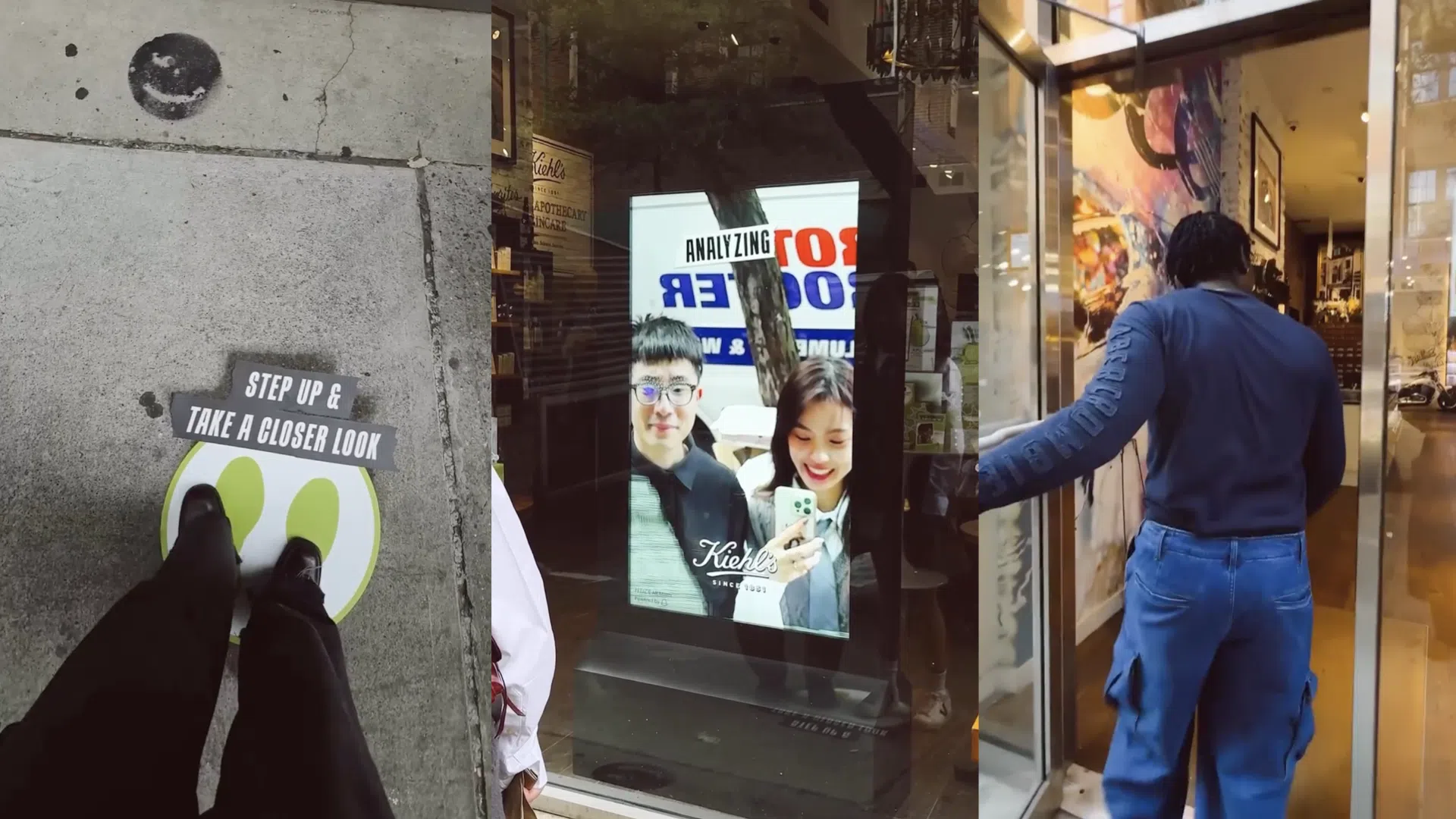
7. Gamified AR Experiences Increase Engagement and Shareability
AR works because it is participatory. Instead of only showing a message, it invites people to do something.
Gamified AR adds another layer. It can include challenges, branded mini-games, product unlocks, collectible interactions, and social-sharing moments. These formats are especially useful when the goal is engagement, dwell time, memorability, or user-generated content.
In physical spaces, AR mirrors and smart screens make gamified experiences feel larger and more social. People can watch, participate, and share the moment more easily than in purely app-based formats.
This is valuable for:
- event activations
- pop-up installations
- retail launches
- seasonal campaigns
- high-visibility brand moments
8. AR Connects Online and Offline Customer Journeys
One of AR’s strongest advantages is that it can connect touchpoints into one more consistent journey.
A customer might first try a branded AR filter on social media, then engage with a smart screen in-store, then continue browsing and buying online later. When it is designed well, these touchpoints reinforce each other instead of feeling disconnected.
Why this improves customer experience:
- the journey feels more consistent
- brand interaction does not end at a single touchpoint
- online discovery can support offline action and vice versa
- customers can continue exploring in the format that suits them best
AR is useful here because it feels natural in both digital and physical environments.
9. AR Creates Measurable Customer Experience, Not Just Visual Impact
AR is often treated as a visual or creative tool first, but one of its biggest business advantages is that it can generate useful insight.
Modern AR mirrors and smart screens can help brands understand what people interact with, how long they engage, which products attract attention, and where interest is strongest.
That means AR can support both experience design and ongoing optimization.
Types of insights brands can learn:
- which products are tried most often
- which interactions lead to longer engagement
- which content formats hold attention better
- which categories generate more curiosity
- where drop-off happens in the journey
This makes AR more than a one-off brand moment. It becomes part of a larger customer experience strategy.
10. AR Helps Customers Learn Faster Through Interactive Product Education
Many customer questions are the same, but the context changes.
- What is this product for?
- How do I use it?
- What is the difference between options?
- Which one fits my needs?
AR can turn product education into something customers can explore. An AR mirror can guide skincare selection based on concerns. A smart screen can explain benefits with visuals instead of text walls. A mobile AR experience can show how an item looks, fits, or functions in the customer’s environment.
The result is simple: customers get answers faster, and the brand delivers guidance in a way that feels clear and low-effort.
How AR and AI Work Together in Customer Experience
AR and AI complement each other.
AR adds the real-time visual layer that lets customers try products, explore digital content, and interact with branded experiences through AR mirrors, smart screens, or mobile devices.
AI adds intelligence behind the scenes. It can interpret signals from the interaction, such as what someone tried, what they compared, how long they engaged, and what preferences they showed.
Based on that analysis, AI can recommend the next most relevant product, routine, bundle, or experience.
When AR and AI are combined well, the experience becomes more helpful, not only more impressive.
Key benefits include:
- Better product discovery because customers can explore visually instead of only through lists
- More useful personalization because recommendations are grounded in real behavior and context
- Less hesitation because customers can preview outcomes before buying
- Higher engagement because the experience responds to the customer
- Smoother decision-making because the journey feels guided
Final Thoughts
AR improves customer experience by making interactions more visual, interactive, and personalized. It helps customers understand products more quickly, explore options more easily, and make decisions with more confidence.
AR mirrors and smart screens matter because they bring these benefits into real-world spaces where attention, engagement, and purchase intent happen. They turn stores, storefronts, events, and branded environments into responsive experiences instead of passive displays.
When AR is paired with AI-powered recommendations, it becomes even more useful. It does not only entertain or impress. It guides customers toward more relevant products, better decisions, and more meaningful interactions.
That is the real value of AR in customer experience: not innovation for its own sake, but a clearer and more helpful journey for the customer.
Latest posts:
- Pop-Up Shop Marketing: How Brands Turn Temporary Spaces Into High-Impact Campaigns
- How Augmented Reality Improves Customer Experience: 10 Practical Ways Brands Can Use It
- How AI & AR Analytics Bridges the Gap Between Online and Offline Retail
- Retailtainment: What It Means for Modern Retail (With Examples)
- AI-Driven OOH: Turning Physical Screens Into Intelligent Media Channels