
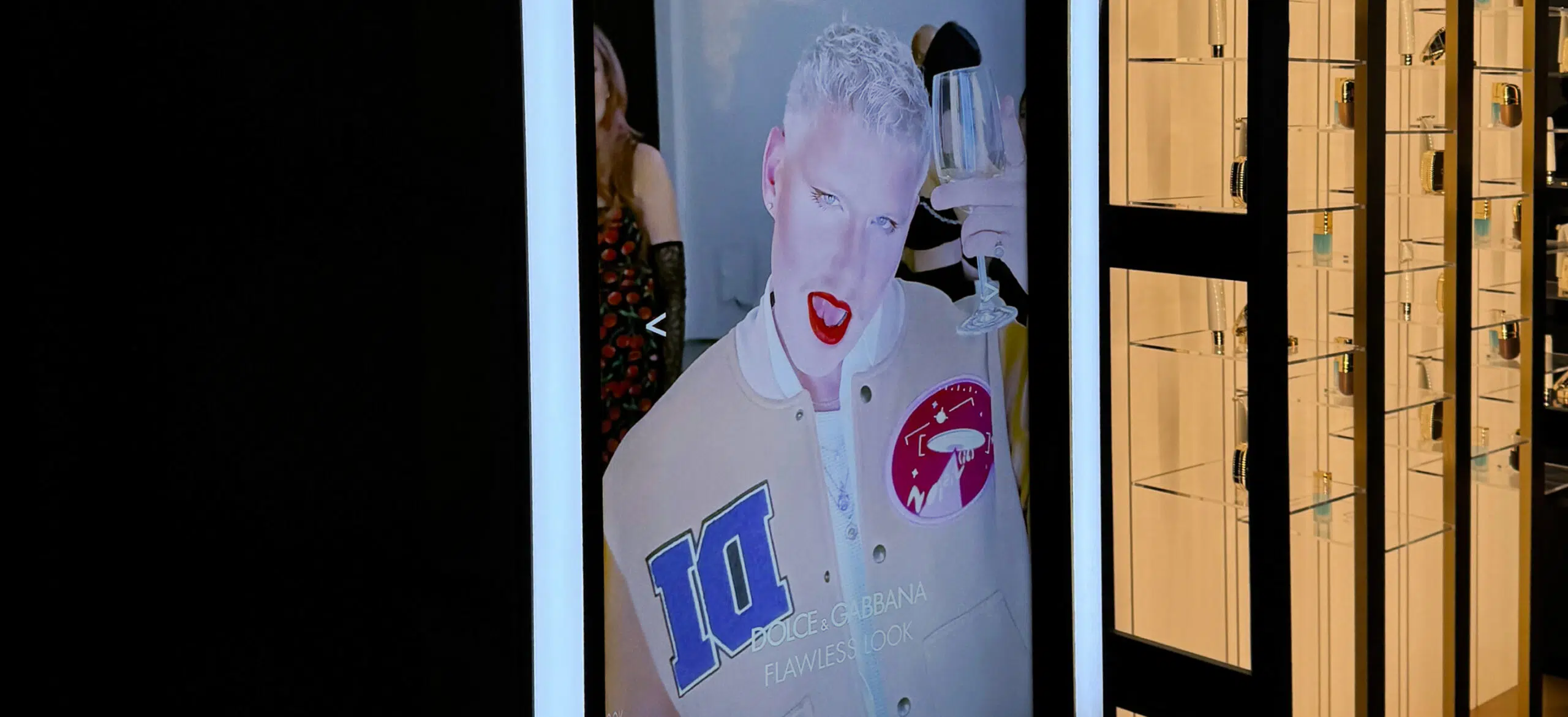

TL;DR — Retailtainment
Retailtainment merges retail with entertainment to drive measurable results: increased foot traffic, longer visits, stronger brand connections, and actionable insights. Unlike experiential retail (all value-adding experiences), it focuses on entertainment elements like AR try-ons, immersive billboards, interactive displays, and shareable installations.
- Key challenges it solves: declining foot traffic, decision fatigue, weak differentiation, lack of emotional connection, difficulty attracting Gen Z/Millennials, and high acquisition costs (reduced via organic sharing).
- Works best in: high-traffic environments, seasonal peaks, product launches, try-on/demo categories, Gen Z/Millennial campaigns, and phygital journeys.
- Core technologies: AR mirrors, interactive storefronts, AR photobooths, phygital experiences.
- Success factors: clear objectives, intuitive UX, purposeful technology, shareable design, brand consistency, strategic placement, regular updates.
- Expected outcomes: increased visits and sales, extended dwell time, higher conversions, organic reach, lower acquisition costs, valuable behavioral data.
What Is Retailtainment? Definition & Meaning for Modern Retailers
Imagine walking into a store where shopping feels less like a chore and more like an adventure. That’s retailtainment—the practice of blending retail with entertainment to create engaging, memorable experiences that deliver measurable business results.
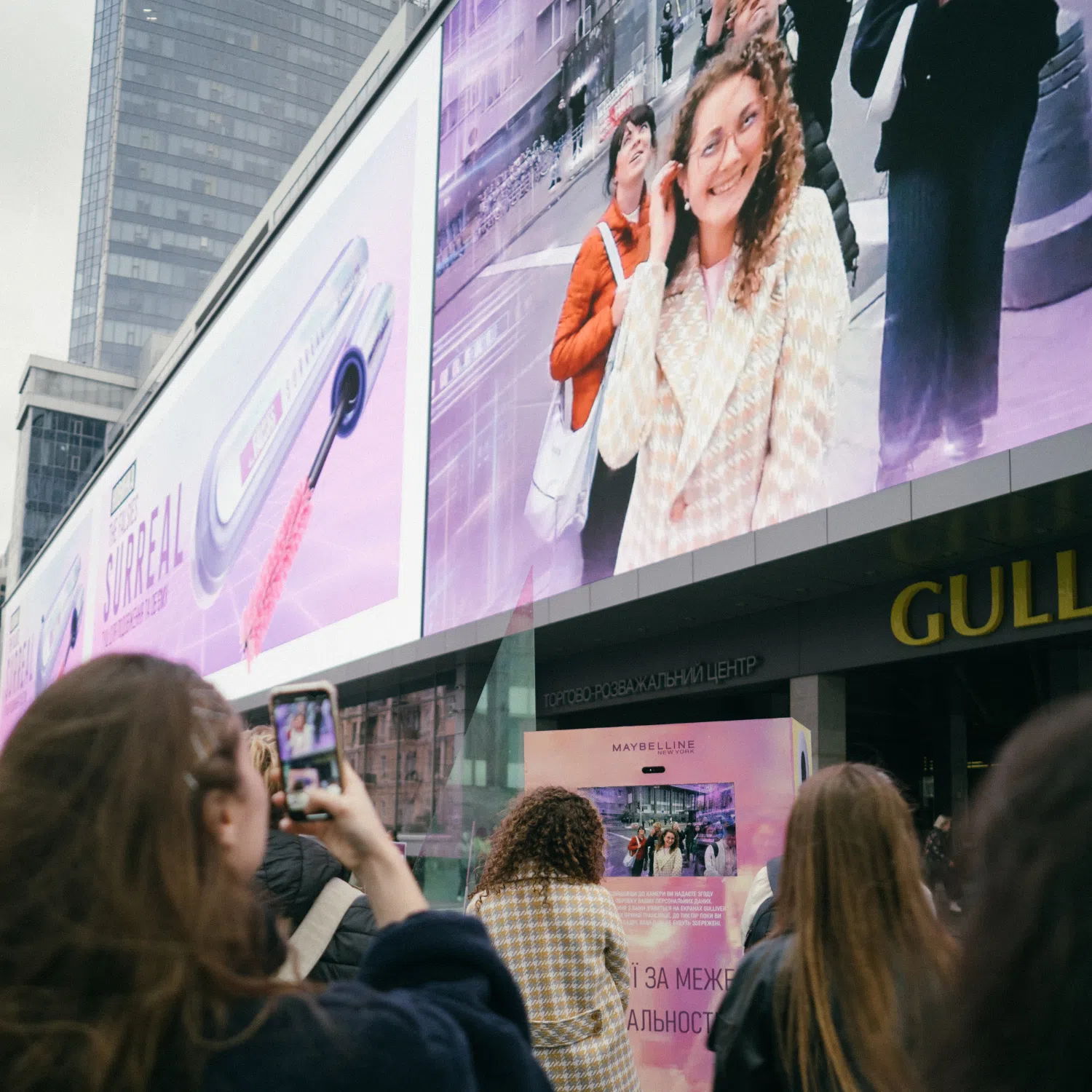
For retailers, retailtainment means going beyond traditional merchandising. It’s about transforming your store into a place people want to visit, explore, and return to. Think AR mirrors that let customers try products virtually, interactive storefronts that respond to passersby, or gamified discovery zones that make finding the right product feel like play.
When done right, retailtainment drives real outcomes: more foot traffic, longer store visits, stronger emotional connections with your brand, and valuable behavioral insights. It turns stores into destinations, generates social media content customers want to share, and creates measurable uplift in both engagement and sales.
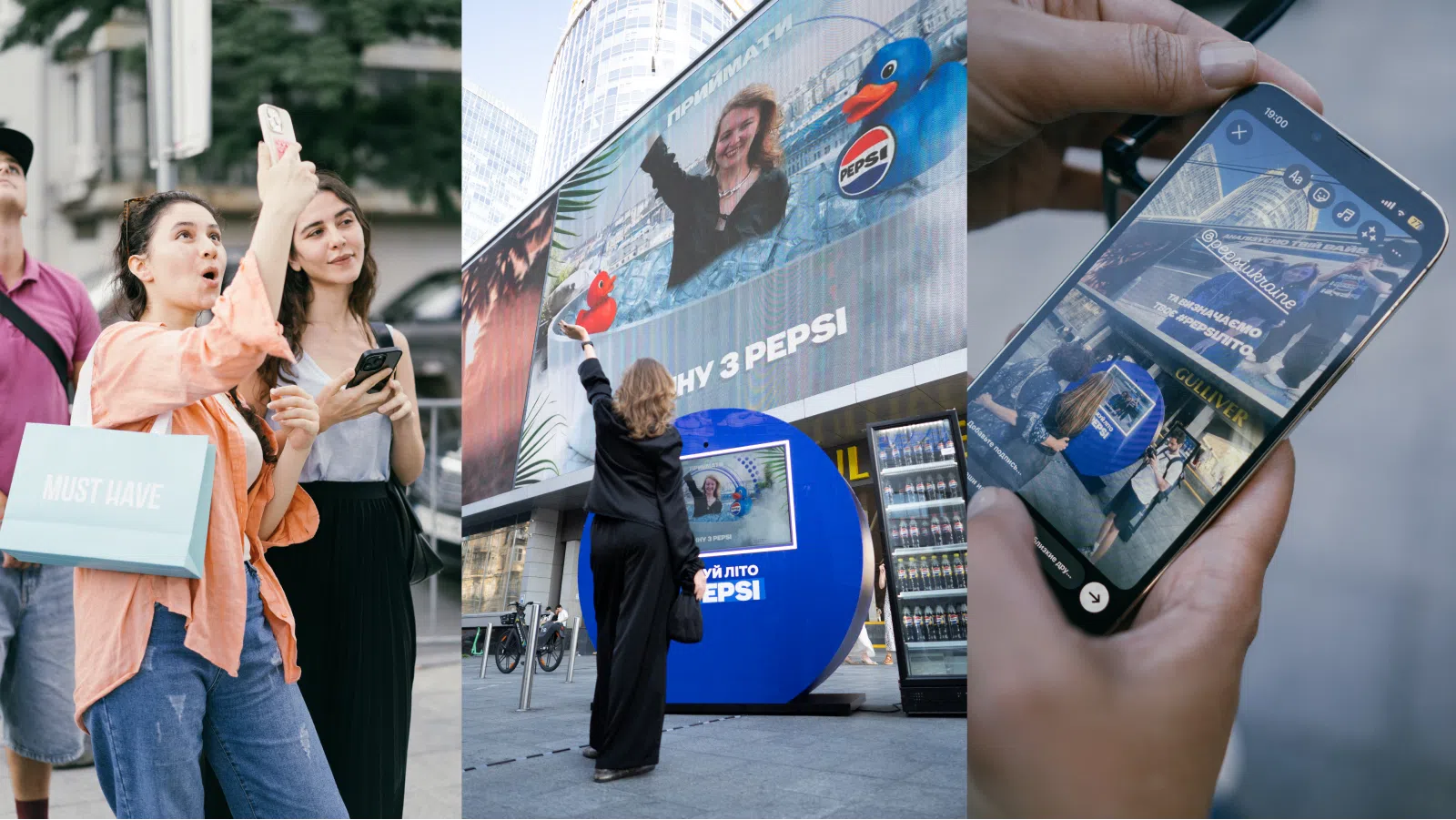
Retailtainment vs. Experiential Retail
You might be wondering: how does retailtainment differ from experiential retail? While closely related, they’re not interchangeable.
Retailtainment focuses specifically on adding entertainment to the shopping journey. It’s about creating moments that make customers stop, engage, and enjoy themselves—AR try-ons, interactive displays, photo-worthy installations, or surprise activations that spark curiosity and drive social sharing.
Experiential retail is the broader umbrella. It includes any value-adding in-store experience: workshops, personalized consultations, product demonstrations, immersive storytelling, and more. These experiences deepen brand connection and improve product understanding over time.
Here’s a simple way to think about it: all retailtainment is experiential retail, but not all experiential retail is retailtainment. Retailtainment is the high-energy, attention-grabbing component designed to drive immediate traffic, engagement, and content creation. Experiential retail is the complete ecosystem that builds lasting loyalty and deeper customer relationships.
Is Retail Entertainment Backed by Data or Just a Trend?
Retailtainment isn’t just a buzzword—it’s supported by research showing measurable business impact. Consider these findings:
- A study on consumer-engaged retailtainment demonstrated significant positive effects on store perceptions, including increased perceptions of value (β = 0.17), innovativeness (β = 0.34), entertainment (β = 0.66), and distinctiveness (β = 0.35), all statistically significant. (ResearchGate)
- A 2023 review synthesizing 47 studies identified immersive technologies (AR/VR), gamification, emotional engagement, and social media integration as key strategies driving higher engagement among Gen Z. (journal.dinamikapublika.id)
- 72% of shoppers still visit physical stores but now demand immersive and memorable experiences. (boostr.com)
These findings demonstrate that well-executed retailtainment drives stronger store loyalty, deeper emotional connection, and tangible business uplift.
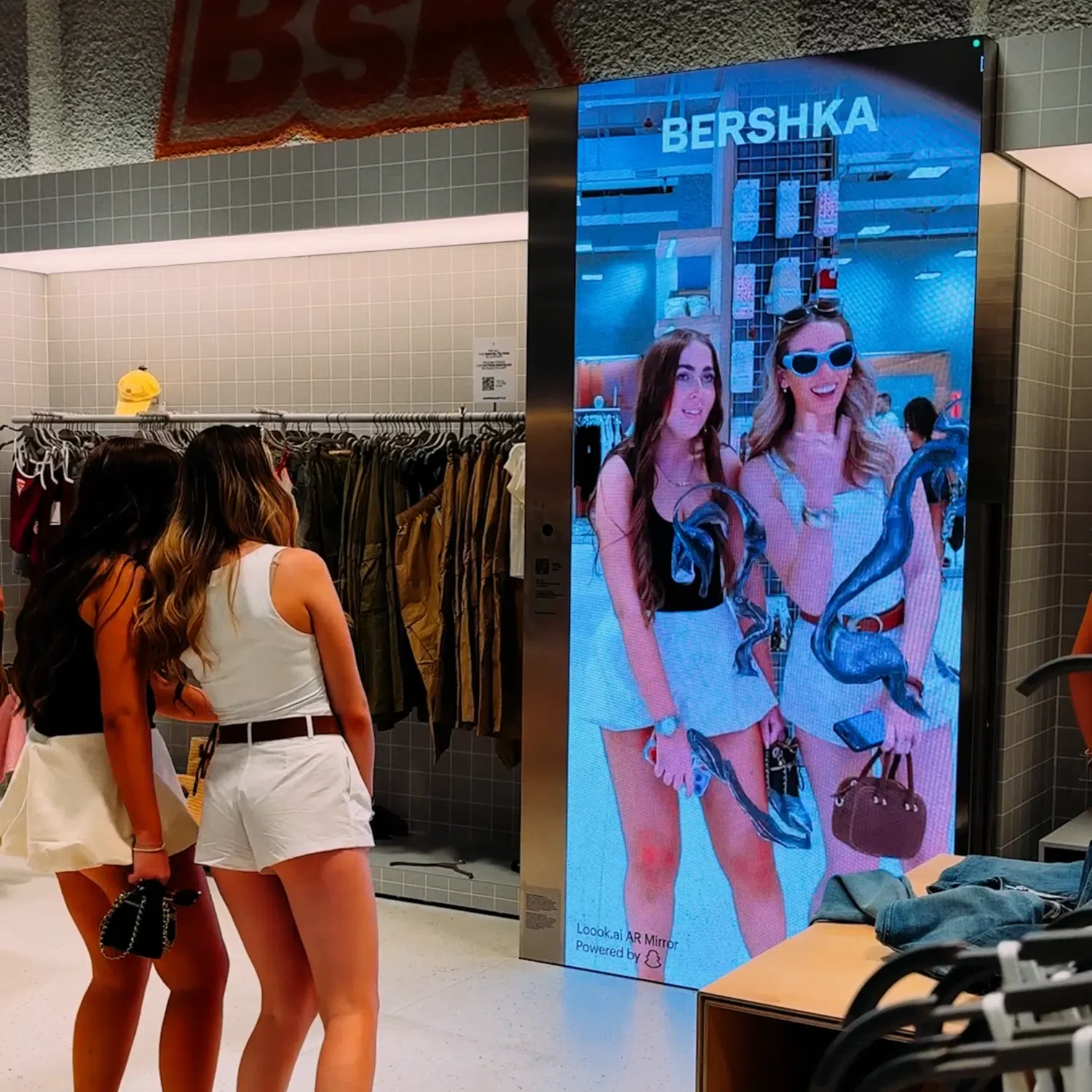
What Modern Retail Challenges Does Retailtainment Help Overcome?
Today’s retail environment demands more than product displays and promotional signage. Brands must capture attention, build meaningful connections, and deliver measurable outcomes—all while competing with the convenience of online shopping. Retailtainment addresses these challenges by creating immersive retail experiences that turn stores into destinations worth visiting.
Here are the key retail challenges that retailtainment helps solve:
- Declining Foot Traffic: Interactive experiences create compelling reasons for shoppers to visit physical stores. AR mirrors, digital installations, and gamified discovery zones transform storefronts into attention-grabbing destinations that draw people inside.
- Decision Fatigue: When shoppers face too many options, decision-making becomes exhausting. AR try-ons, product demos, and guided discovery experiences help customers quickly identify what works for them, reducing hesitation and accelerating purchase decisions.
- Low In-Store Engagement: Traditional retail often fails to hold attention. Retailtainment keeps customers exploring longer by offering interactive touchpoints, immersive storytelling, and playful moments that increase dwell time and product interaction.
- Weak Product Differentiation: When multiple stores carry similar products, experiences become the differentiator. Retailtainment gives brands a unique identity and creates memorable moments that distinguish them from competitors.
- Lack of Emotional Connection: Gamification, immersive narratives, and interactive elements foster deeper emotional bonds between customers and brands. These connections drive loyalty, repeat visits, and stronger advocacy.
- Rising Customer Acquisition Costs: User-generated content from retailtainment experiences becomes organic marketing. When customers share photos, videos, and stories from in-store activations, brands gain visibility without relying solely on paid advertising.
- Online–Offline Disconnection: Retailtainment bridges the gap between physical and digital channels. QR code integrations, AR experiences, and follow-up digital flows connect in-store engagement with online actions, creating a seamless phygital journey.
- Limited In-Store Data: Traditional retail environments offer minimal behavioral insights. Retailtainment installations capture detailed customer analytics—dwell time, interaction patterns, product preferences—that help retailers understand customer behavior and optimize store performance.
- Difficulty Attracting Younger Audiences: Gen Z and Millennials prioritize experiences over transactions. Interactive, tech-driven, and shareable retail moments align with their expectations, making stores more appealing to these influential demographics.
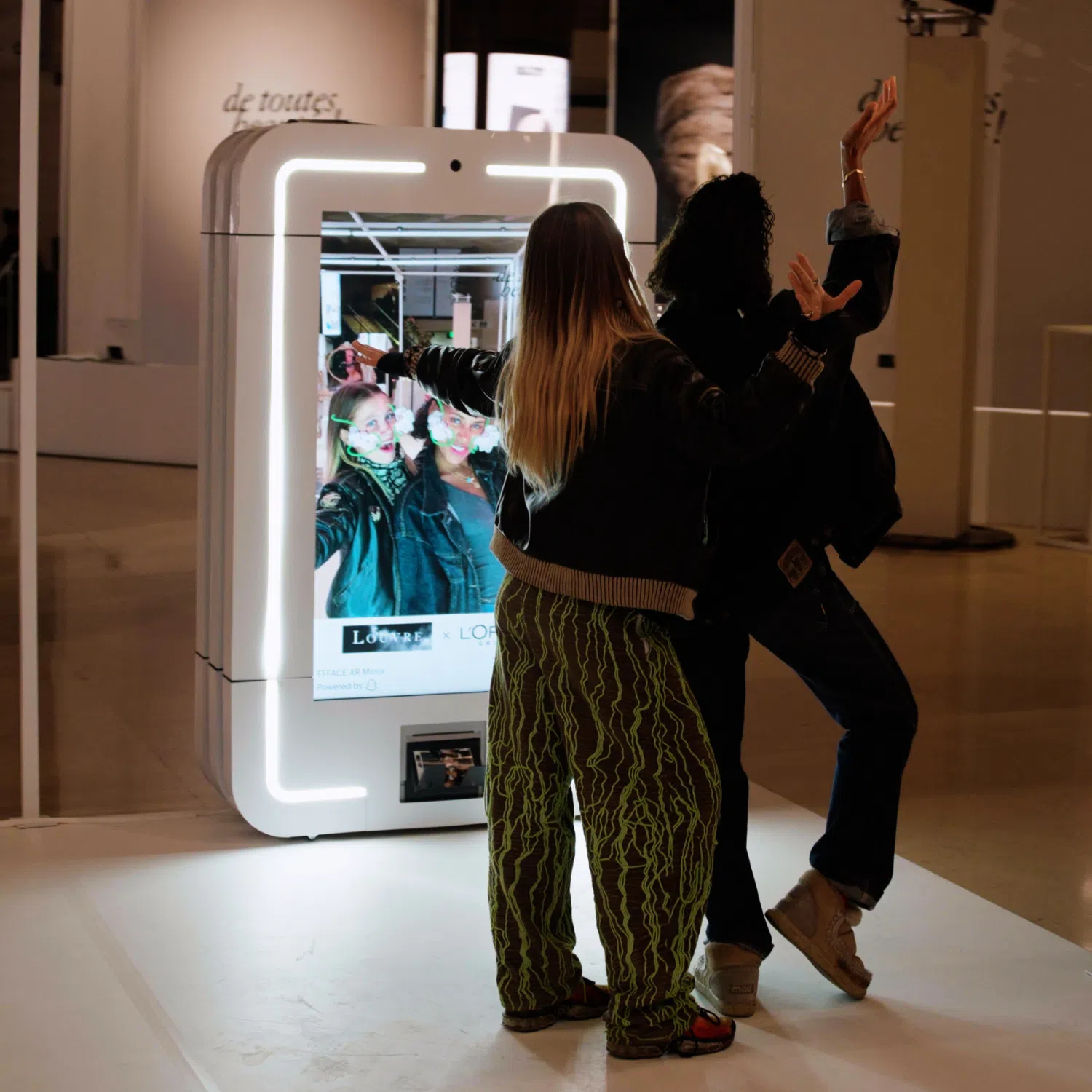
When Does Retailtainment Work Best?
Retailtainment delivers the strongest results when the environment, audience, and timing align to support genuine engagement. Below are the scenarios where these experiences consistently drive measurable impact:
High-Traffic Environments
Malls, airports, and flagship stores offer constant foot traffic and natural stopping points. Interactive installations in these spaces convert passing glances into active participation, creating immediate brand touchpoints with high volume.
Seasonal Peaks and Retail Holidays
During the holiday season, back-to-school periods, and Black Friday, shoppers face decision overload. Retailtainment cuts through the noise by offering clarity, inspiration, and memorable moments that guide purchase decisions.
Product Launches and Limited-Time Activations
New releases and pop-up events naturally generate curiosity. Retailtainment amplifies this momentum by creating exclusive, time-sensitive experiences that encourage immediate participation and word-of-mouth sharing.
Categories That Benefit From Try-On or Demonstration
Beauty, fashion, accessories, electronics, and home goods see particularly strong results. When customers can visualize products on themselves or see functionality demonstrated, purchase confidence increases and return rates decrease.
Gen Z & Millennial-Focused Campaigns
These audiences prioritize experiences that feel authentic, interactive, and worth documenting. Retailtainment meets these expectations by creating moments that naturally encourage social sharing and peer recommendations.
Phygital Funnel Opportunities
Retailtainment performs exceptionally well when it connects physical and digital touchpoints. QR codes, AR experiences, and follow-up digital flows turn in-store engagement into ongoing customer relationships, product page visits, and trackable conversions.
Retailtainment Examples: See What’s Possible
The following examples demonstrate how brands are using retailtainment to create interactive, engaging shopping experiences that deliver measurable results. Each case study shows different applications of AR technology, gamification, and immersive storytelling—helping you understand what works, why it works, and how similar approaches might fit your retail strategy.
Bershka Manchester Digital Store
Bershka’s Manchester flagship shows how AR storefront can elevate the in-store experience without relying on virtual try-ons. Instead, the store features two AR mirrors that apply real-time visual effects and Gen Z–inspired AR overlays, allowing shoppers to play with digital styles, moods, and aesthetics. Customers can interact with the effects and capture their look. This turns a simple store visit into a fun, expressive digital moment that extends beyond the physical space.
Madrid.
Barcelona.
Manchester.
Three Bershka flagships, one experience:
loook.ai AR Storefront
The store also introduced a digital jeans collection featuring exclusive AR overlays that add animated visual effects to the denim. These digital enhancements allow customers to see how technology can augment physical products, creating a layer of personalization and creative expression. The combination of AR mirrors and digital product features positions the store as an interactive destination that encourages exploration, experimentation, and social sharing—core objectives of effective retailtainment.
YSL Libre Fragrance Launch
When YSL launched its new Libre fragrance in Sephora stores across Milan, France, and Germany, the brand introduced an AR Photobooth experience that invited shoppers to actively participate in the product story. Instead of passively sampling a fragrance, customers were encouraged to step in front of the mirror and strike five expressive poses. Each movement triggered a branded visual effect that reflected the fragrance’s theme of personal freedom, culminating in a YSL collage that shoppers could instantly save or share.
The results demonstrated the power of interactive retailtainment: 3,000 activations in 21 days, with an average 30-second interaction time per shopper. The AR Mirror transformed the Sephora space into a destination that encouraged exploration, extended dwell time, and generated organic social content. As the experience expands to new locations like Madrid, it continues to show how AR experience can turn fragrance launches into participatory brand moments that shoppers remember and recommend.
AR Photobooth at Sephora, Milan, October 27 — November 16, 2025
Kiehl’s AR Storefront
Kiehl’s transformed its storefront window into an interactive entry point using AR technology that responded to passersby in real time. As people approached, the display activated with live AR overlays that visualized different skin concerns, creating an immediate reason to pause, engage, and step inside the store.
The activation generated 3,118 interactions, averaging 17 activations per hour, and contributed to a 20% increase in foot traffic. By making the storefront responsive and visually engaging, Kiehl’s gave potential customers an interactive preview of the brand’s science-backed approach before they even entered—turning a traditionally passive retail element into an active engagement tool.
The Kiehl’s AR Storefront demonstrates how retailtainment can capture attention at the critical first touchpoint, spark curiosity through interaction, and convert passing interest into store visits and product exploration.
AR Storefront with Skin Analysis at Nolita, New York
LVMH Eyewear Travel Retail
LVMH Eyewear’s airport activations demonstrate how retailtainment can transform travel environments into engaging brand moments. Instead of relying on static displays, the brands use AR mirrors to invite travelers into instant virtual try-ons, turning waiting time into active exploration.
Consider how these activations work across different contexts:
Thélios at Qatar Duty Free installed a permanent AR mirror offering 15 sunglasses styles with realistic virtual try-on. This always-on experience invites travelers to explore the collection at their own pace, creating consistent engagement throughout the day.
Fendi at Istanbul Airport introduced an AR photo booth where travelers could try on frames and receive printed branded photos as keepsakes. The activation generated over 400 photos, contributed to a 43% sales increase, and resulted in the collection selling out completely.
Bvlgari at Doha Airport positioned an AR mirror along a high-traffic corridor, offering virtual try-ons for 12 frames. The strategic placement transformed brief pauses into premium brand experiences that increased both visibility and store visits.
These activations show how AR-driven retailtainment helps luxury brands create meaningful moments in fast-paced airport environments—turning quick interactions into experiences that travelers remember and recommend.
AR Mirror activation at Qatar Duty Free
Makeup by Mario Phygital Try-On
The Makeup by Mario virtual try-on demonstrates how retailtainment can blend artistry with AR technology to create experiences that feel both inspiring and practical. Rather than asking customers to imagine how a shade might look, the phygital try-on lets them see products on their own faces instantly, with ultra-realistic rendering that meets luxury standards.
What makes this true retailtainment is the experience it creates: the ability to try different shades in seconds, see instant transformations, and experiment with the same freedom you’d have at a beauty counter—but accessible through your phone, anytime. Powered by Snap’s AR technology and integrated directly into the website, the try-on works in real time across dozens of shades, delivering results so precise that what customers see matches what arrives in their order.
This phygital activation also demonstrates measurable business value. It reduces purchase uncertainty, builds product confidence, and increases conversions—turning engagement into sales uplift. Featured in Snap CEO Evan Spiegel’s keynote at AWE 2025, the Makeup by Mario AR experience illustrates how beauty brands can use retailtainment to reshape how customers explore, choose, and purchase cosmetics in the digital era.
AR Mirror in Sephora, Times Square
Dolce & Gabbana Light Blue AR Photobooth
The Dolce & Gabbana Light Blue AR Photobooth demonstrates how thoughtful technology integration can transform a fragrance activation into an immersive brand experience. The photobooth uses facial detection and real-time AR effects to transport visitors directly into the Mediterranean-inspired world of Light Blue—no buttons to press, no complex navigation required. The system recognizes participants automatically, applies branded AR overlays instantly, and delivers a finished photo ready to print or download within seconds.
What sets this activation apart is its frictionless design. Shoppers moving through the mall can participate immediately, see themselves within the brand’s visual story, and walk away with personalized content they actually want to keep. The experience creates an emotional connection through participation rather than observation, turning brief encounters into memorable brand moments that extend reach through organic sharing.
With approximately 1,600 interactions and sustained engagement throughout the campaign, the Light Blue AR Photobooth illustrates how AR-driven retailtainment can deliver measurable results while maintaining the sophistication and storytelling that define luxury beauty brands.
AI Photobooth at key shopping malls in Singapore and Malaysia
Retailtainment Best Practices
Creating effective retailtainment requires balancing innovation with purpose. The most successful experiences are built on clear objectives, intuitive design, and seamless integration with your brand story. Below are ten essential practices that transform retailtainment from concept into measurable impact.
Define a Clear Business Objective
Start with a specific goal. Are you aiming to increase foot traffic by 20%? Extend average store visits from 8 to 12 minutes? Drive discovery of a new product line? When your objective is clear, every design decision becomes easier to evaluate.
Keep the Experience Intuitive
The best retailtainment feels effortless. If shoppers need instructions beyond a simple prompt, the experience is too complex. Aim for immediate understanding—customers should know what to do within three seconds of approaching.
Use Technology With Purpose
AR, AI, and interactive displays should solve real shopper challenges: helping visualize products, reducing purchase uncertainty, or making discovery more engaging. Technology for its own sake creates novelty, not value. Choose tools that directly address customer needs.
Design for Shareability
When customers create content they’re proud of, organic reach follows naturally. Pay attention to lighting quality, framing composition, and how easily people can save or share their results. Beautiful output drives social amplification without incentives.
Stay On-Brand
Every visual element, interaction pattern, and tone should reinforce your brand identity. Consistency across the experience strengthens recognition and builds emotional connection. If the retailtainment feels disconnected from your brand, it won’t strengthen customer relationships.
Optimize Placement
Location determines visibility. Position experiences where shopper flow naturally concentrates: near entrances, adjacent to hero products, or in spaces where people already pause. Strategic placement transforms passing glances into active engagement.
Refresh Content Regularly
Even compelling experiences lose their impact when they remain unchanged. Update effects, rotate themes, or introduce seasonal variations to maintain engagement. Regular refreshes signal that the experience is current and worth revisiting.
Train Staff to Activate the Experience
Your team should confidently invite customers to participate, then step back and let the experience work. Staff involvement should feel helpful, not intrusive. When employees understand the value of the activation, they naturally turn interactions into conversations that drive conversion.
How to Measure Retailtainment ROMI
Understanding ROMI for retailtainment requires tracking two interconnected layers: engagement metrics and business outcomes. Begin by capturing how customers interact with your activation, including total activations to understand how many people engaged with the experience, dwell time to see how long they spent interacting, repeat engagement to determine if customers returned for multiple sessions, and UGC creation to measure how much shareable content the experience generated. These metrics reveal how effectively your retailtainment captures attention and drives participation.
Next, link engagement to commercial impact by tracking foot traffic changes to see if store visits increased during the activation period, in-store conversion rates to determine if more visitors are purchasing after engaging, product sell-through to identify which items gained traction through the experience, cost per interaction to understand what each engagement costs relative to traditional marketing, and incremental revenue to measure how much additional sales the activation generated.
If your activation includes digital elements, measure the extended journey through QR code scans and website visits, social media shares and reach, and follow-up actions like newsletter signups or online purchases. Platforms like loook.ai automate much of this process, providing real-time data on total interactions, hourly engagement peaks, session duration, product preferences, and behavioral patterns. These insights connect directly to store performance, helping you quantify the true value of each activation: revenue generated, visibility gained, and customer acquisition efficiency—all measured against your investment.
Final Thoughts: Retailtainment as a Strategic Imperative
Retailtainment has evolved from an experimental tactic into a strategic necessity for modern retailers. As physical stores compete with the convenience of online shopping, creating memorable, interactive experiences is no longer optional—it’s essential for driving foot traffic, building emotional connections, and generating measurable business results. From AR mirrors that enable instant virtual try-ons to interactive storefronts that capture attention before customers even enter, these experiences transform stores into destinations that shoppers actively seek out.
Success in retailtainment requires clarity of purpose. Define specific objectives, keep experiences intuitive, use technology to solve real customer challenges, and ensure every element reinforces your brand identity. When these principles align, retailtainment becomes more than entertainment—it becomes a powerful driver of engagement, loyalty, and revenue.
The future of retail belongs to brands that understand a fundamental truth: people don’t just want to buy products—they want to experience them, share them, and remember them. Retailtainment makes that possible.
Explore our latest posts:
- How AI & AR Analytics Bridges the Gap Between Online and Offline Retail
- Retailtainment: What It Means for Modern Retail (With Examples)
- AI-Driven OOH: Turning Physical Screens Into Intelligent Media Channels
- Interactive Out-of-Home Advertising: The Future of Public Brand Engagement
- The Business Impact of Immersive Shopping Experiences