

Retail is changing with immersive shopping experiences. By mixing digital and physical parts, retailers create personalized shopping journeys. These technologies bring real benefits: more customer interest, higher sales, fewer returns, and stronger loyalty. This article examines how these new tools are changing how buyers shop and are becoming essential in today’s retail landscape.
Key Takeaways
- Immersive shopping helps brands turn physical retail into a more interactive, measurable, and conversion-oriented experience rather than a passive product display.
- The strongest use cases are usually in beauty, fashion, eyewear, accessories, and campaign-led retail environments where visual discovery and product comparison matter.
- Formats like AR mirrors, interactive storefronts, photobooths, and smart screens serve different business goals, from virtual try-on and product exploration to foot traffic growth and UGC generation.
- The value of immersive shopping should be measured through clear retail KPIs such as interactions, dwell time, product engagement, QR scans, walk-ins, assisted sales, and conversion impact.
- The most effective immersive retail experiences are not just visually impressive. They are operationally practical, privacy-conscious, and designed to support long-term retail and marketing goals.
- For brands, immersive shopping works best when it is treated as a business tool with defined objectives, not just as a one-time activation or novelty experience.
- As retail becomes more competitive, immersive shopping is becoming less about experimentation and more about creating smarter, more responsive customer journeys across physical spaces.
What is Immersive Shopping?
Immersive shopping mixes digital and physical retail to create very engaging, personalized, and interactive shopping experiences. Using tools like AR mirrors, photobooths, and virtual reality (VR), it combines the ease of online shopping with the benefits of shopping in stores. This change gives businesses new chances to get customers more involved, work better, and grow their sales.
Key Technologies Driving Business Value in Immersive Retail
Retailers invest in technology for tangible returns, and immersive shopping technologies deliver measurable results. Here’s why retail executives are paying attention:
Augmented Reality (AR): The Conversion Machine
AR mirrors change the retail experience by removing doubts about buying. These interactive screens let customers try products virtually without touching them, making shopping easy. For businesses, this technology shows clear results: stores using AR usually see big increases in sales and fewer returns. This double benefit boosts profits by selling more and cutting costs from returns. By helping customers feel sure about their choices, AR mirrors fix common shopping problems and show clear value.
Example: Sephora's Virtual try-on allows customers to try on makeup virtually, resulting in a 35% increase in online conversions and a 25% rise in add-to-basket rates compared to non-AR shoppers (Source: theglimpsegroup.com).
Virtual Reality (VR): Endless Aisles in Limited Space
Imagine fitting your whole furniture collection into a small showroom. That’s the power of VR. For expensive items like luxury clothes or home furniture, VR lets customers try before they buy without needing a lot of space. Stores use this to show matching products—”That sofa looks great, but have you thought about these side tables?”—which increases the average purchase while keeping stock low. It’s like having a showroom that breaks the rules of space.
Example: IKEA's VR showrooms let customers visualize furniture in their homes, increasing purchase confidence and reducing returns by 35% (Source: appifycommerce.com).
Artificial Intelligence (AI): The Crystal Ball That Pays For Itself
AI isn’t just a trendy word for retailers—it’s changing how they work from guessing to knowing. By predicting what customers want very accurately, stores can cut storage costs and make smarter choices about stock. Marketing teams use AI to personalize offers for many customers, making sure each person sees what they’re most likely to buy. The result? Smarter spending and spotting new trends before others. In retail’s low-profit world, this forecasting is very valuable.
Example: Stitch Fix uses AI to analyze customer preferences and purchase history, resulting in a 40% increase in average order value through personalized recommendations (Source: tacticone.co).
3D Modeling: Create Once, Deploy Everywhere
The days of costly product photoshoots are ending. Smart retailers now make 3D models that can be used everywhere—on websites, in stores, ads, and social media without delay. Besides saving money, these models let stores quickly test new ideas before making them. See a popular color on social media? With 3D models, you can have that product version on your site by tomorrow to see if customers like it before making any physical items. This quick response helps stores stay ahead of changing customer tastes.
Increased Cart Additions: Shoppers were 44% more likely to add an item to their cart after interacting with it in 3D (Source: Shopify).
The Win-Win of Immersive Shopping
Shoppers: The Perks You’ll Actually Notice
Let’s be honest—shopping can be frustrating. Immersive retail deals with these problems directly, turning boring shopping into something exciting.
- Try Before You Buy: Avoid fitting-room lines and see how clothes look on you instantly with AR mirrors and photobooths. Check out many items in minutes without changing clothes.
- Time-Saving Shopping: Virtual try-ons remove guesswork and extra trips. Look through whole catalogs in minutes instead of hours.
- Social Integration: Social shopping turns scrolling into finding new things. See something you like in your feed? Two taps and it’s yours.
- Fun Experience: Immersive technologies make shopping fun again. Try bold styles without risk and see products in your space before buying.
Consumer Preference for AR Experiences: NielsenIQ found 61% of shoppers prefer retailers offering AR, with 56% feeling more confident about product quality when AR is used. (Source: Forbes Councils)
Retailers: Where Innovation Meets ROI
Beyond the buzzwords, immersive shopping delivers real business results that leaders can show their teams: increased interaction time, higher order values, and lower bounce rates, directly driving purchases.
- Privacy-Friendly Data Insights: Virtual try-ons show what products customers like and trends, helping stores manage stock better while protecting privacy.
- Building Brand Fans: Memorable experiences turn one-time buyers into loyal customers who happily recommend your brand.
- Natural Social Promotion: Social shopping makes customers into content creators who share products with their friends, often doing better than regular ads.
Enhanced Conversion Rates: Visitors were 65% more likely to place an order after interacting with a product in AR. (Source: Shopify)
Real-Life Applications and Success Stories
Let’s skip the hype and see how real businesses are winning with immersive retail. These aren’t just fancy tech demos—they’re making a real difference where it counts: profits.
AR Virtual Try-Ons: The Fitting Room Revolution
Makeup by Mario’s revolutionary virtual try-on experience at Sephora Times Square, powered by Loook.ai’s cutting-edge AR Mirror, brilliantly solved the age-old problem of trying on makeup without the hassle of removing existing products or asking busy staff for assistance.
The immersive mirror captivated shoppers by featuring Mario’s lifelike avatar demonstrating professional bronzer application techniques, then seamlessly invited users to experience the complete glamorous look themselves with just a glance.
Spectacular results:
- Pioneering Innovation: First-ever AR Mirror installation in the prestigious Sephora Times Square flagship
- Exceptional Engagement: 2,160 total activations (averaging 9 enthusiastic users per hour)
- Dramatic Traffic Boost: Significantly increased store foot traffic as news circulated about the can’t-miss experience
- Universal Appeal: Successfully attracted and delighted varied age groups across demographics
This cutting-edge implementation perfectly demonstrates how AR mirrors are transforming the retail market by creating irresistibly engaging experiences that elegantly address specific consumer pain points in the competitive beauty sector.
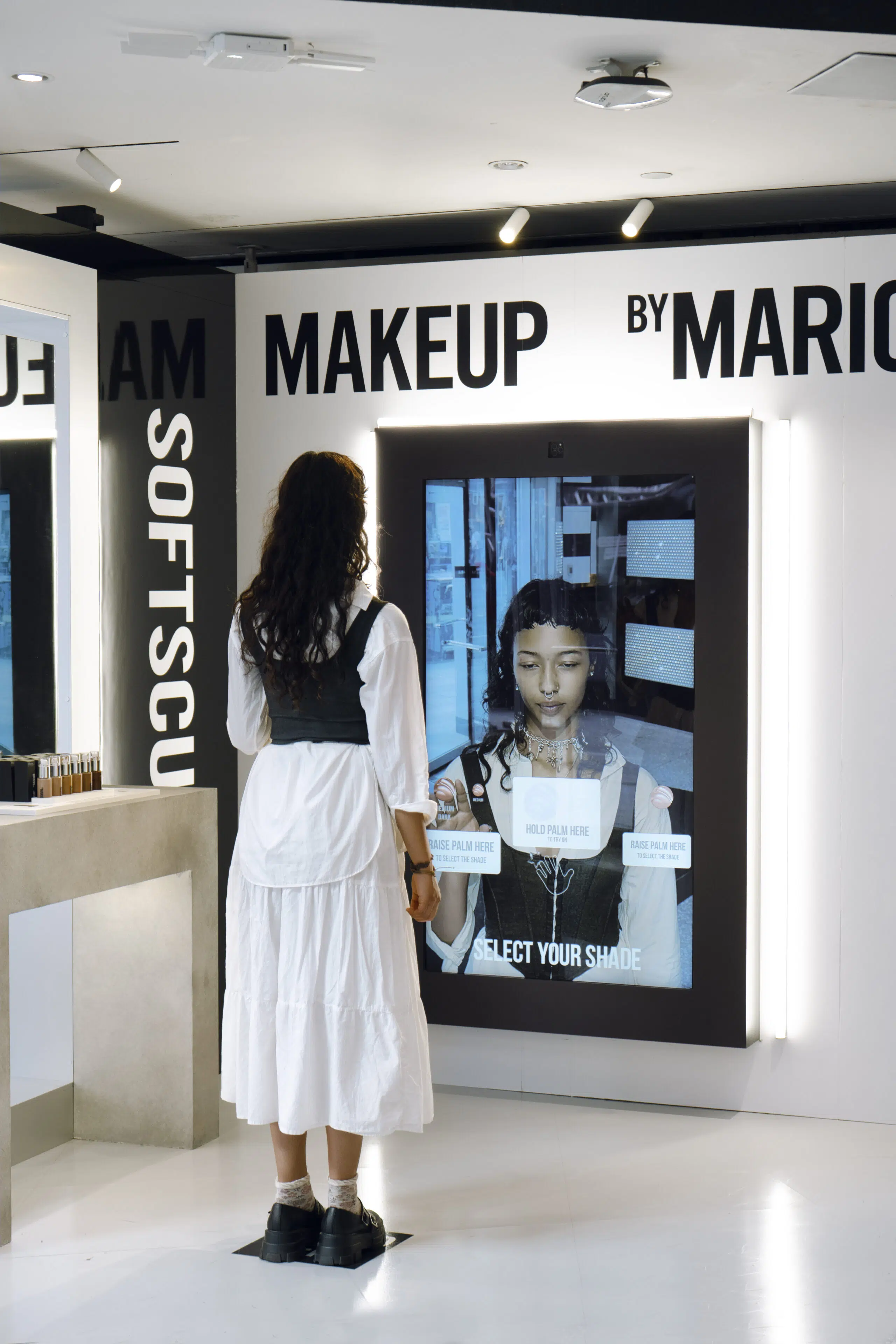
Step into Sephora Times Square and discover the groundbreaking AR Virtual Try-Ons with Makeup by Mario.
Smart Storefronts: Working 24/7 When Your Staff Can’t
Bershka creBershka created buzz in Barcelona with their interactive storefront powered by Loook.ai. Imagine walking by their store after hours and enjoying a fun AR effect that lets you virtually try on some items through the window. This new setup lets people interact with exciting AR content showing Bershka’s trendy clothes all day and night, even when the store is closed. The results were great: more visitors the next day and much higher interest in their featured collection. The power of interactive AR storefronts in Barcelona, where Loook.ai’s technology brought Bershka’s fashion to life—even after hours!
Discover the power of interactive AR storefronts in Barcelona, where Loook.ai’s technology brought Bershka’s fashion to life—even after hours!
AR Photobooths: Turning Shoppers into Marketers
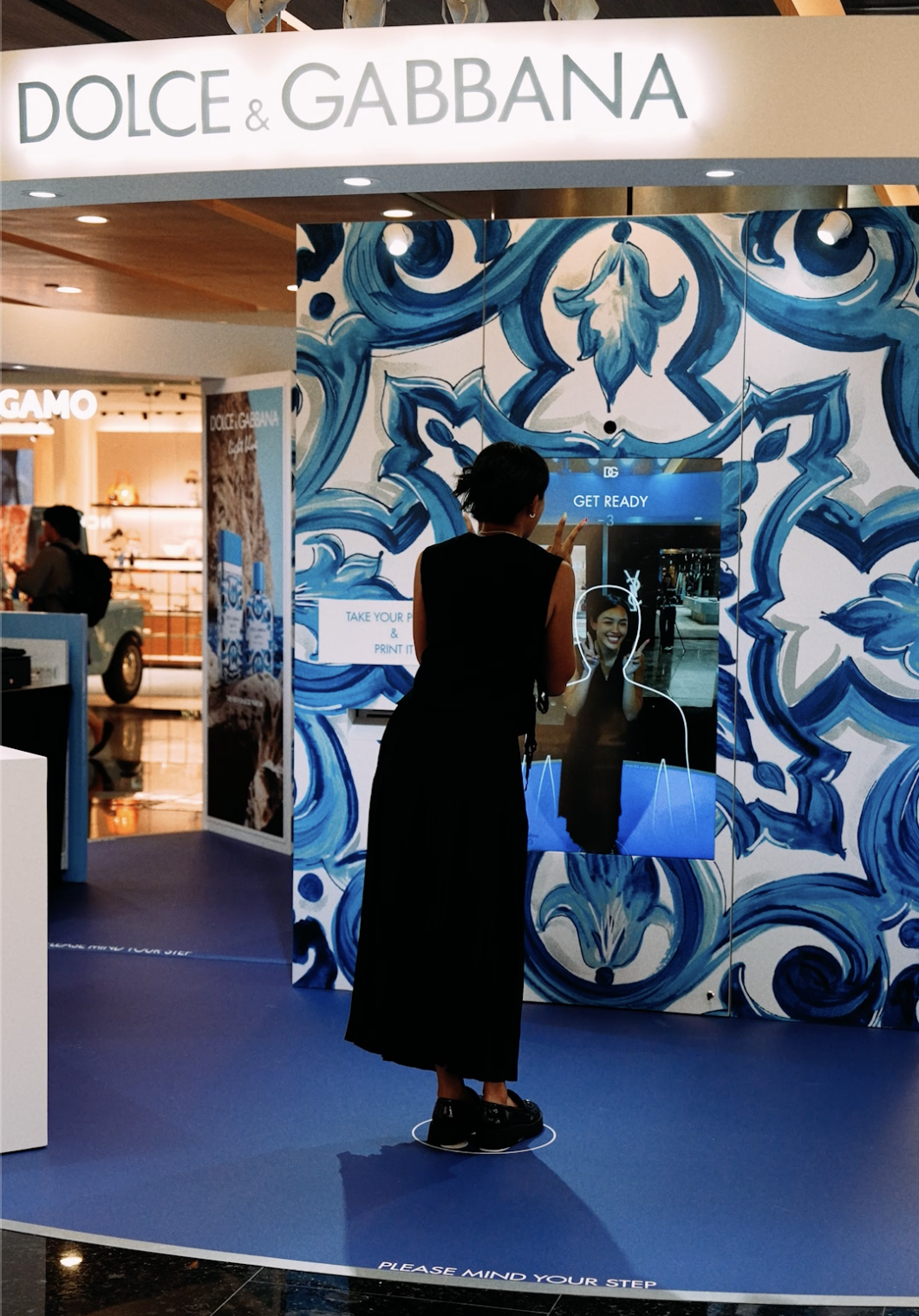
The effect of AR photobooths is real—just see the Dolce & Gabbana x Saks Fifth Avenue project powered by Loook.ai. This luxury store setup lets shoppers virtually try on D&G’s exclusive collection and quickly share their virtual fashion moments.
The results were impressive: the AR photobooth created thousands of real social media views as shoppers excitedly shared their virtual try-ons. This high-profile project shows how luxury brands can turn regular shoppers into eager brand fans while getting useful engagement data. That’s the kind of clear return on investment that marketing leaders notice.
Experience the magic of AR photobooths at Saks Fifth Avenue, where Loook.ai brought D&G’s exclusive collection to life.
Pop-Up Shops: The Art of Retail FOMO
Valentino teamed up with Loook.ai to create an AR photobooth at its Flatiron Plaza pop-up for virtual try-ons of its new lip color line. The results were impressive:
- High engagement: 1,579 branded photos printed in 2 days (80/hour).
- Social media amplification: Shareable printed photos of virtual try-on looks.
- Authentic brand excitement: Substantially increased interest in the overall pop-up.
This created the special “I was there” feeling through AR, bringing real excitement and social buzz that regular retail often can’t match.
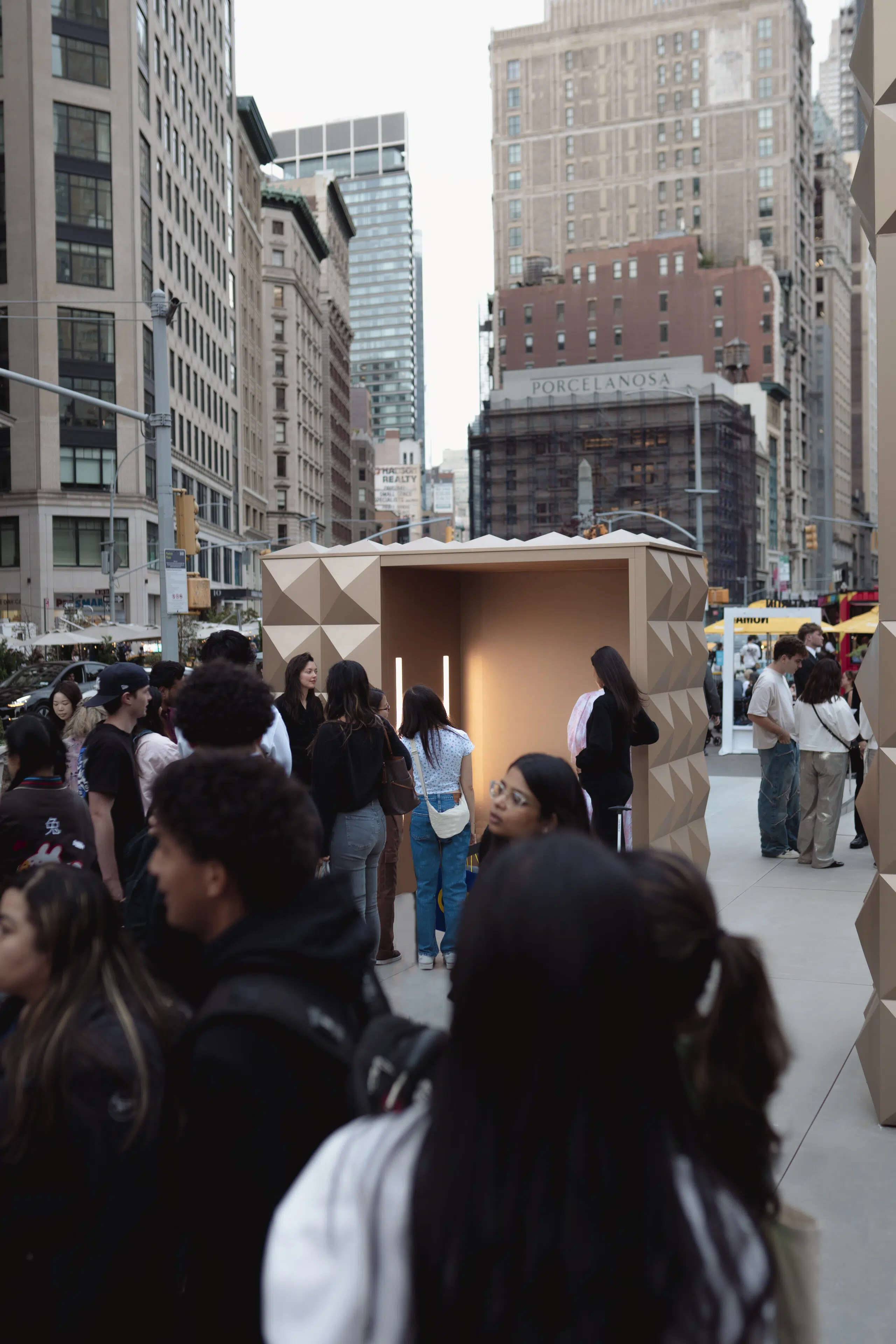
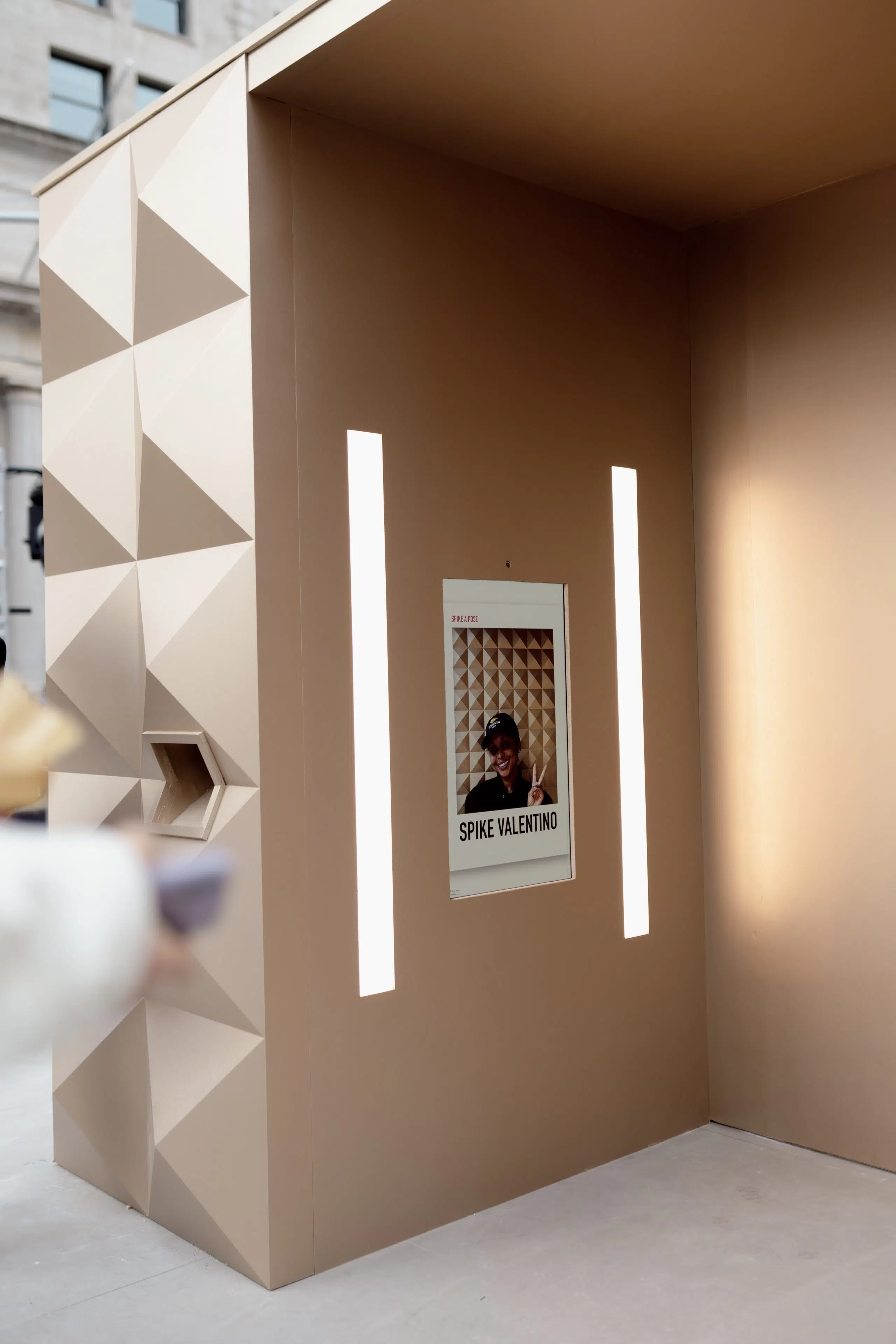

Join the exclusive AR photobooth experience at Valentino's Flatiron Plaza pop-up, powered by Loook.ai.
Experiential Retail: Transforming Commerce into Gripping Stories
Traditional stores often don’t meet today’s shoppers’ expectations. Experiential retail is a smart approach that turns regular shopping into memorable experiences. This change goes beyond usual displays by creating immersive, shareable moments that blend buying with a bigger story of connection and interest.
Examples: Imagine the transformation: A customer walks into a retail space and finds interactive opportunities instead of passive displays. They can see a tailored suit on their body through an AR mirror without the hassle of changing rooms, or join a workshop where they customize products while enjoying premium refreshments. These experiences represent a complete reimagining of shopping—creating events that consumers eagerly anticipate.
In today’s competitive marketplace, experiential retail has evolved from an optional strategy to a business necessity. When products become increasingly similar, experiences become the key competitive advantage. Forward-thinking retailers aren’t just selling merchandise—they’re building devoted promoters who eagerly share their special experiences through authentic word-of-mouth. This organic promotion delivers marketing results that traditional advertising simply can’t match, no matter how much you spend.
The Future of Immersive Retail Experience: Opportunities for Businesses
Let’s peek into retail’s crystal ball, shall we? The future of immersive shopping isn’t just exciting—it’s packed with goldmine opportunities for forward-thinking businesses. While your competitors are still debating whether to upgrade their POS systems, you could be changing how customers experience your brand.
AI and Personalization
Remember when “personalization” meant slapping a customer’s name in an email? Those days are long gone. With AI powering immersive retail experiences, we’re talking about shopping journeys so tailored they practically read minds. Imagine a customer walking into your store, and the AR mirror isn’t just recognizing them but even adjusting recommendations based on whether they look happy or stressed today. This isn’t sci-fi—it’s the next competitive battlefield where customer loyalty will be won or lost.
Global Scalability Made Simple
Cloud-based AR technology now scales easily across global retail networks. Retailers can deploy identical immersive events to hundreds of stores simultaneously, maintaining brand consistency while reducing costs. From Tokyo to Toronto, customers enjoy the same smooth virtual try-ons everywhere. This technology is no longer enterprise-exclusive—mid-sized retailers can now establish a cutting-edge presence in global markets without complicated IT requirements.
Global Expansion and New Markets
While North America and Europe have been hogging the immersive commerce spotlight, the real growth story is happening elsewhere. Markets like India, Brazil, and Nigeria aren’t just adopting these technologies—they’re leapfrogging straight to the cutting edge. The global appetite for immersive retail is ravenous, and smart businesses are already mapping their expansion strategies accordingly. The question isn’t whether your brand should go global with immersive tech—it’s whether you can afford not to.
The Role of AR Mirrors and Screens in Immersive Shopping
AR mirrors and screens aren’t just tech toys—they’re retail game changers, bridging online convenience with in-store shopping through tools customers actually want to use. AR mirrors enable virtual product try-ons without fitting rooms, acting as honest digital shopping companions that show how things truly look without sales pressure. Interactive AR screens create engaging displays that let customers rotate products, explore colors, and examine details at their own pace.
For retailers, these technologies deliver concrete results: increased sales, reduced returns, and heightened customer satisfaction. When shoppers preview exactly what they’re getting, they make better decisions and enjoy notable experiences that traditional advertising can’t replicate.

Turn Shopping into an Experience with Loook.ai
Prepared to transform your retail space? Loook.ai App makes immersive shopping a reality with these game-changing features:
- Virtual Try-On Magic – Let customers see products on themselves without touching a thing! Our AR mirrors show shoppers exactly how that outfit or makeup will look in seconds.
- Customizable to Your Brand – Whether you need sleek digital storefronts, in-store AR mirrors, or show-stopping photobooths for your next pop-up, we personalize the experience to match your unique brand identity.
- Online-Offline Integration – Create smooth experiences that work across your physical stores and digital channels, giving customers the same wow factor everywhere they shop.
- Data Insights That Fuel Sales – Discover what products customers love to try virtually, which displays get the most interaction, and how to optimize your inventory based on real engagement data.
- Set-Up in Days, Not Months – Our platform connects with your existing systems, getting you up and running with immersive retail faster than you’d expect.
With Loook.ai as your partner, you’re not merely selling products—you’re building lasting memories that keep customers coming back and telling friends. Ready to leave your competition in the dust while boosting sales and slashing returns? Let’s reimagine retail together.
Conclusion: A New Era of Retail
Immersive shopping is transforming retail fundamentally. Today’s brands create compelling experiences that attract customers rather than pushing sales. AR mirrors turn fitting rooms into efficient spaces for trying multiple outfits quickly, while photobooths transform shoppers into brand ambassadors. These technologies deliver measurable results in conversions, fewer returns, and genuine customer loyalty.
Tomorrow’s retail winners will be those creating significant relationships through immersive commerce, not necessarily the biggest brands. While competitors deliberate, innovative retailers are already enabling virtual try-ons, encouraging social sharing, and increasing conversions. In this retail revolution, you must choose: lead or follow?
FAQs
How is immersive shopping different from experiential retail?
Experiential retail is a broader strategy focused on making stores more engaging and memorable. Immersive shopping is more specific. It usually involves digital tools such as AR, AI, or interactive displays that help customers discover, compare, or try products in a more dynamic way. In practice, immersive shopping is often one of the ways experiential retail is delivered.
What business goals can immersive shopping support?
Depending on the format, immersive shopping can support several retail goals, including increasing foot traffic, improving product discovery, extending dwell time, boosting conversion, encouraging cross-sell or upsell behavior, generating UGC, and making in-store campaigns more measurable. It can also help brands connect physical retail engagement with broader marketing objectives.
How do brands measure the ROI of immersive retail?
ROI should be measured against the specific use case. Common KPIs include total interactions, dwell time, virtual try-on completion, product views, QR scans, walk-ins, assisted sales, conversion uplift, repeat engagement, and, in some cases, return-rate reduction. The most useful approach is to define success metrics before launch rather than treating engagement alone as the outcome.
Are there privacy concerns with immersive retail technologies?
Privacy should always be considered when implementing immersive shopping. Brands need clarity on what data is collected, whether any personal information is stored, and how consent is handled where needed. In many cases, strong retail analytics can be generated through aggregated interaction data without relying on personally identifiable information, which makes the experience easier to deploy responsibly.
How should a brand get started with immersive shopping?
The best starting point is usually a focused pilot. Brands should begin with one use case, one format, and a small set of measurable KPIs. A flagship store, pop-up, or travel retail location can be a good testing ground. This makes it easier to validate shopper response, understand operational needs, and decide whether the experience should scale into a broader retail program.
What mistakes should brands avoid when launching immersive shopping experiences?
Common mistakes include focusing on novelty instead of retail usefulness, launching without clear KPIs, making the experience too complicated, and choosing a format that does not fit the product category or store environment. The most successful immersive retail projects usually combine strong creative execution with simple interaction design and clear business objectives.
Explore our latest posts:
- Digital Signage Content Strategy: Creation, Ideas & Best Practices
- The Future of In-Store Retail Media: From Static Ads to Interactive Retail Experiences
- Interactive Retail Displays: Creating Phygital In-Store Experiences
- Pop-Up Shop Marketing: How Brands Turn Temporary Spaces Into High-Impact Campaigns
- How Augmented Reality Improves Customer Experience: 10 Practical Ways Brands Can Use It